
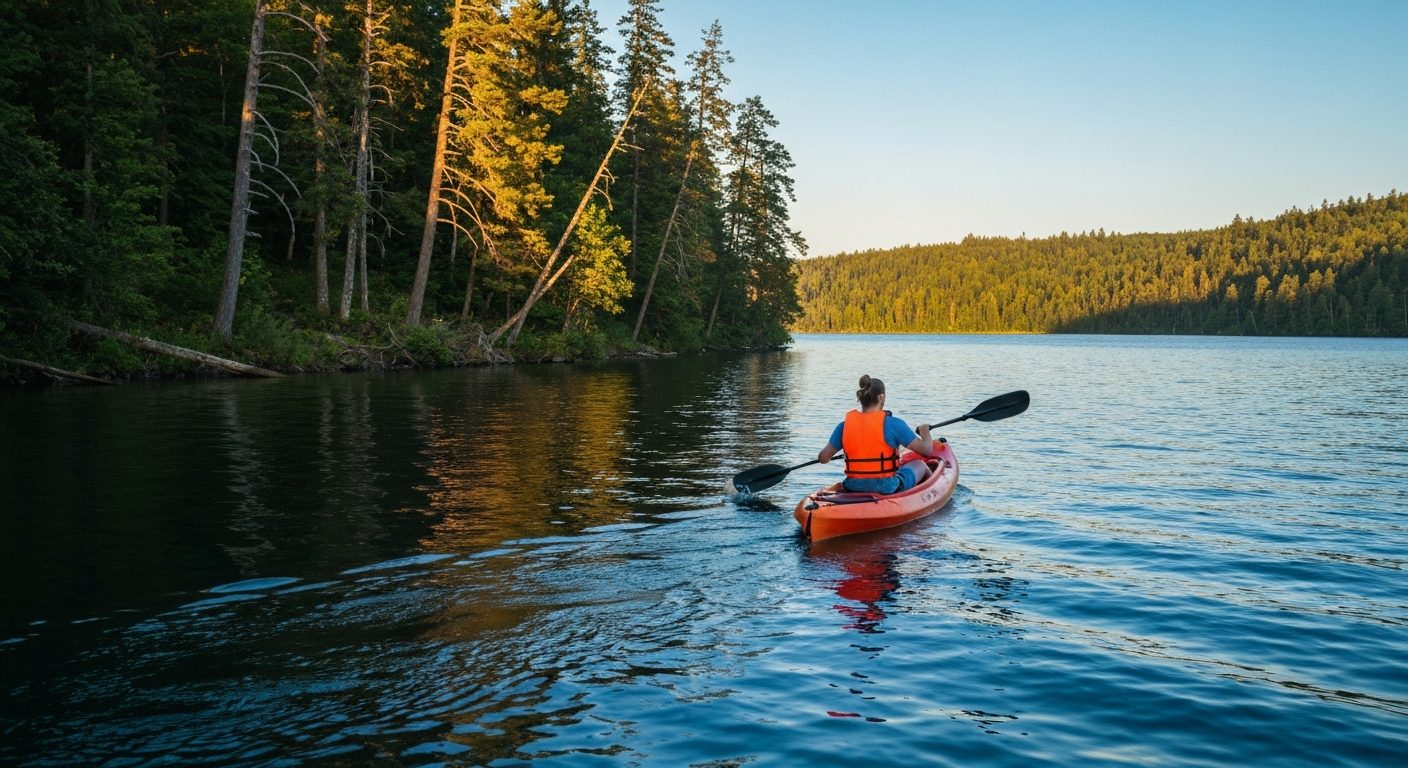
Every kayak, chosen honestly.
The kayaks we’d actually put a friend in — sorted by how you’ll really paddle. No copied spec sheets, no pay-for-placement.
A kayak is an easy thing to get wrong online — the reviews are gamed and every listing says theirs is “best.” We compare kayaks on the water and tell you the honest trade-offs, so you buy once, on the right kayak for you. Start with how you’ll paddle 👇
Find your kayak.
Pick the lane that fits you — each opens our tested picks for that use, with who it’s for and who should skip it.
Best Fishing Kayaks
The stable, rigged, rod-ready kayaks anglers actually catch from.
See the picks →Most popularBest Recreational Kayaks
Easy, stable, affordable kayaks for lakes and calm rivers.
See the picks →PackableBest Inflatable Kayaks
Tough inflatables that fit in a trunk — no roof rack needed.
See the picks →New paddlersBest Beginner Kayaks
Forgiving, stable first kayaks that make learning easy.
See the picks →Hands-freeBest Pedal Kayaks
Pedal-drive kayaks that free your hands for fishing and photos.
See the picks →DistanceBest Touring & Sea Kayaks
Long, fast hulls that track straight and glide on big water.
See the picks →Two-upBest Tandem Kayaks
Two-person kayaks for couples, parents-with-kids and dogs.
See the picks →Under $500Best Kayaks Under $500
The budget kayaks that actually hold up — and what to skip.
See the picks →Stand & castBest Stand-Up Fishing Kayaks
Rock-solid platforms stable enough to stand and sight-fish.
See the picks →GearKayak Accessories
The must-have gear — PFD, paddle, anchor, dry bag and more.
Shop the gear →By brandKayak Brands
Who actually makes a kayak worth owning — and who is just marketing.
Compare brands →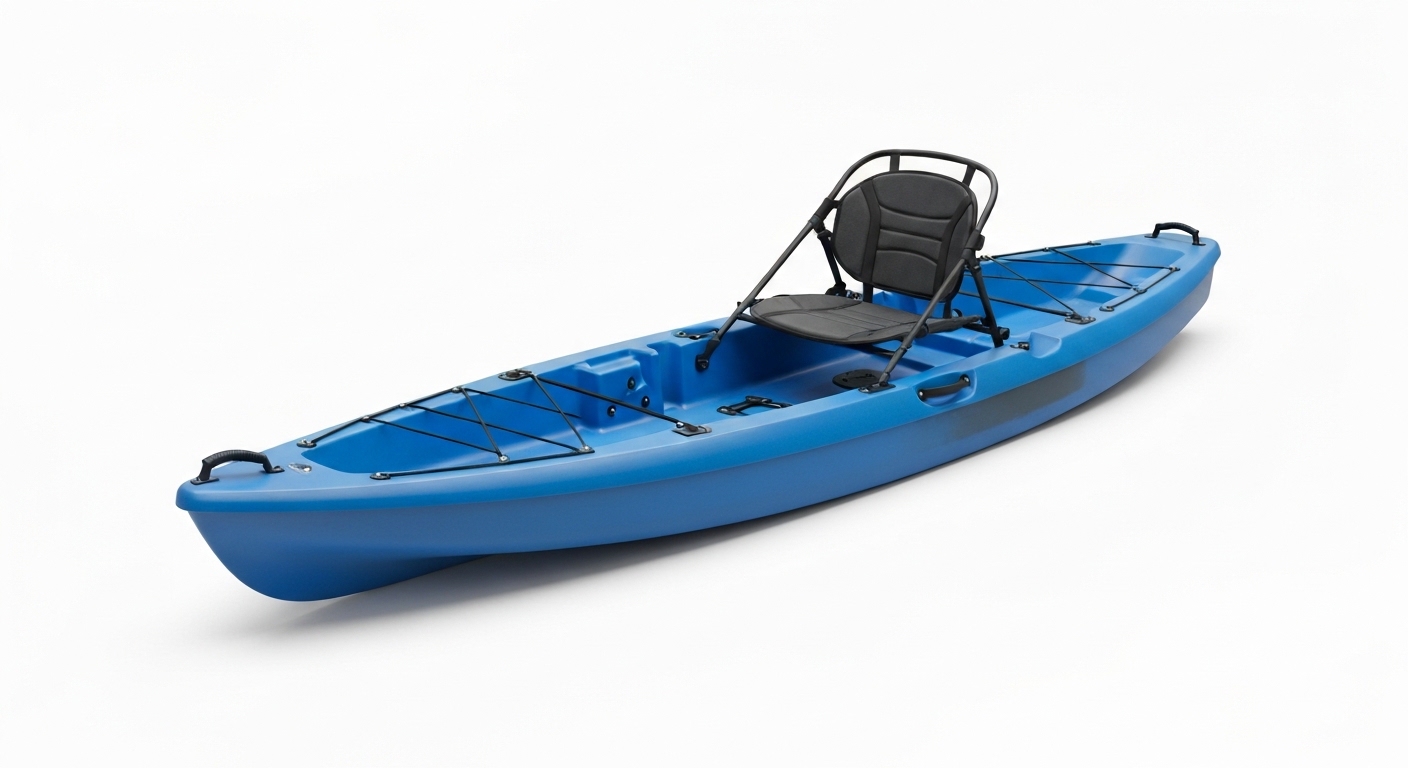
Perception Pescador Pro 10
Stable, comfortable and superb value — an elevated lawn-chair seat, gear tracks, and a 375 lb capacity make it the sit-on-top we’d hand most paddlers first, whether they fish or just cruise.
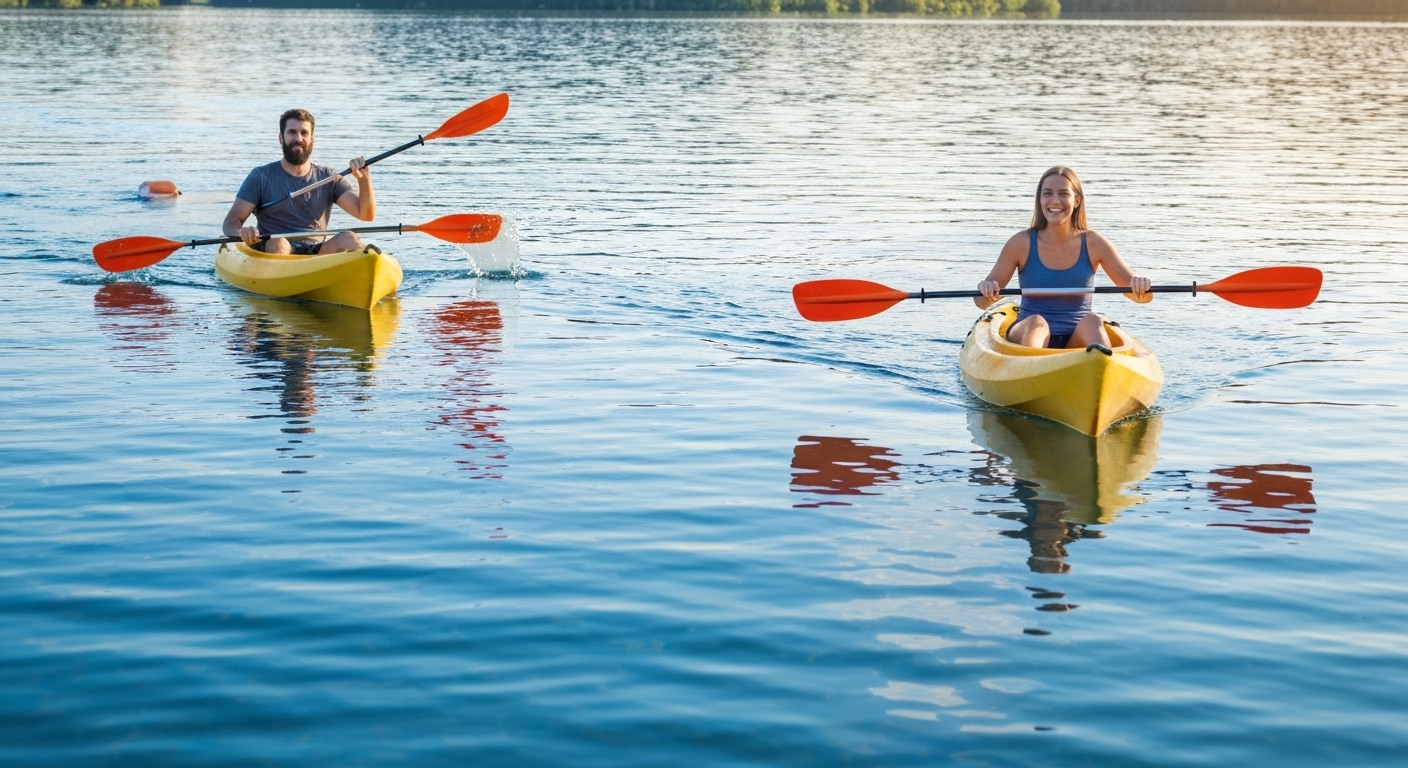
New to kayaking? Start here.
If you’ve never paddled, don’t overthink it. A stable recreational sit-in or sit-on-top in the 10–12′ range handles almost any new paddler on flat water — forgiving, easy to climb back onto, and cheap enough to learn on without regret.
Skip the rock-bottom no-name boats: the ones under ~$200 flex and feel tippy. Spend a little more on a stable hull and a half-decent seat, and the whole sport gets easier on day one.
Best beginner kayaks →What actually matters.
Four things decide whether you love your kayak or resell it. The plain-English version.
Sit-in vs. sit-on-top
Sit-on-tops are stable, self-draining and easy to get on/off — great for fishing and warm water. Sit-ins keep you drier and warmer and are faster.
Recreational picks →The right type
Recreational, touring, fishing, inflatable or pedal — the type has to match where and how you paddle, or nothing else matters.
Fishing kayaks →Length & stability
Shorter = more stable and easier to turn; longer = faster and tracks straighter. Wider feels steadier; narrower is quicker.
Touring kayaks →What’s in the kit
A PFD, a decent paddle and a leash are non-negotiable. A cheap kayak with a junk paddle and no safety gear isn’t a deal.
Accessories that matter →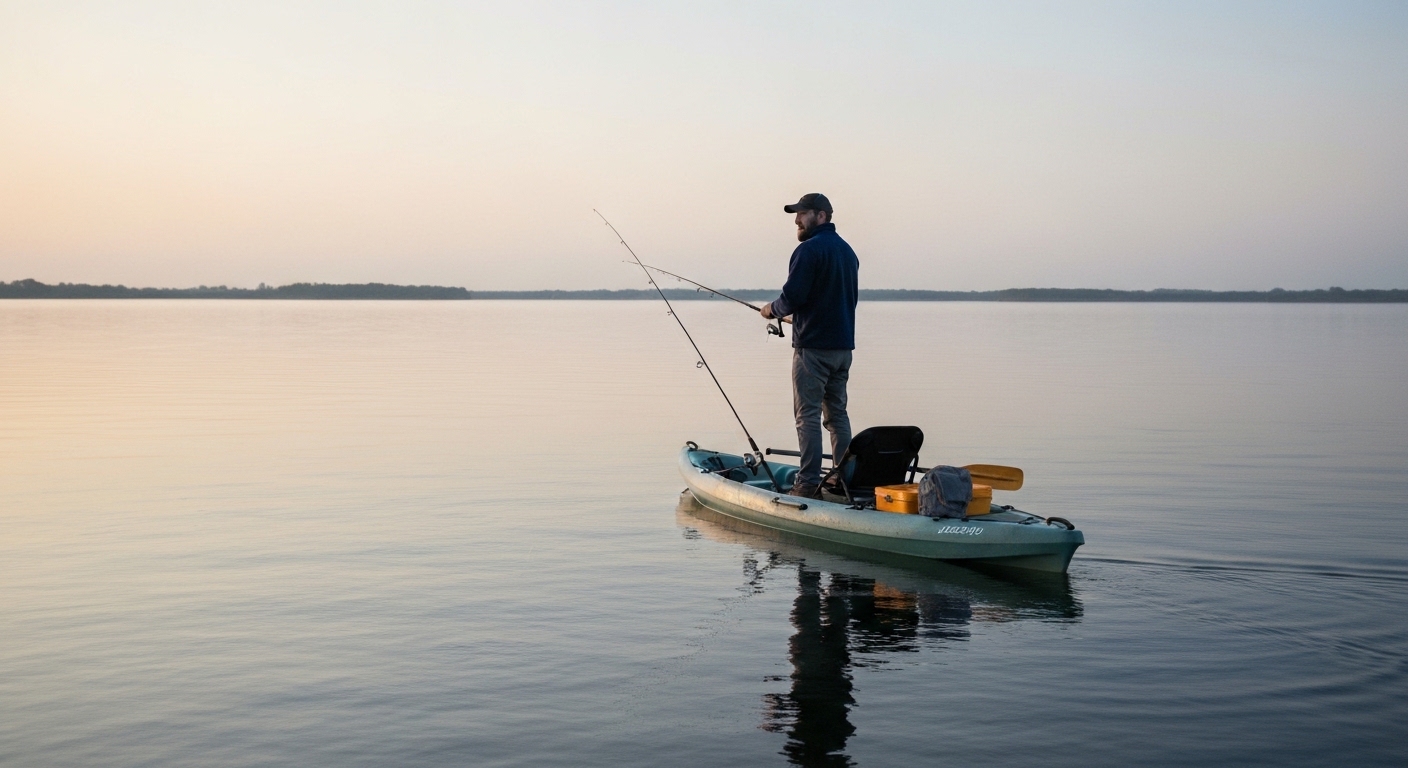
Want to fish from your kayak?
Fishing kayaks trade a little speed for rock-solid stability, high capacity and rigging — rod holders, gear tracks and deck space for a crate or cooler. The most stable ones even let you stand up to sight-cast.
Decide first whether you’ll paddle or pedal: pedal-drive frees your hands for casting but costs more and weighs more. We flag which kayaks genuinely fish well and which just look the part.
Best fishing kayaks →We’d rather lose the sale than your trust.
We compare these kayaks on the water and publish the cons right next to the pros. We earn a commission if you buy through our links — but it never buys a ranking, and we’ll tell you when the cheaper kayak is the smarter one.
Start with the right category.
Most paddlers are choosing between a few of these — jump to the one that fits.
Kayak questions we get a lot.
What kind of kayak should a beginner get?
Sit-in or sit-on-top — which is better?
Are inflatable kayaks any good?
What size kayak do I need?
Do you need a life jacket to kayak?
New to it? Start with the honest top picks.
The short, plain-English rundown of which kayaks are worth your money this year — and which to skip.
See the best kayaks →