
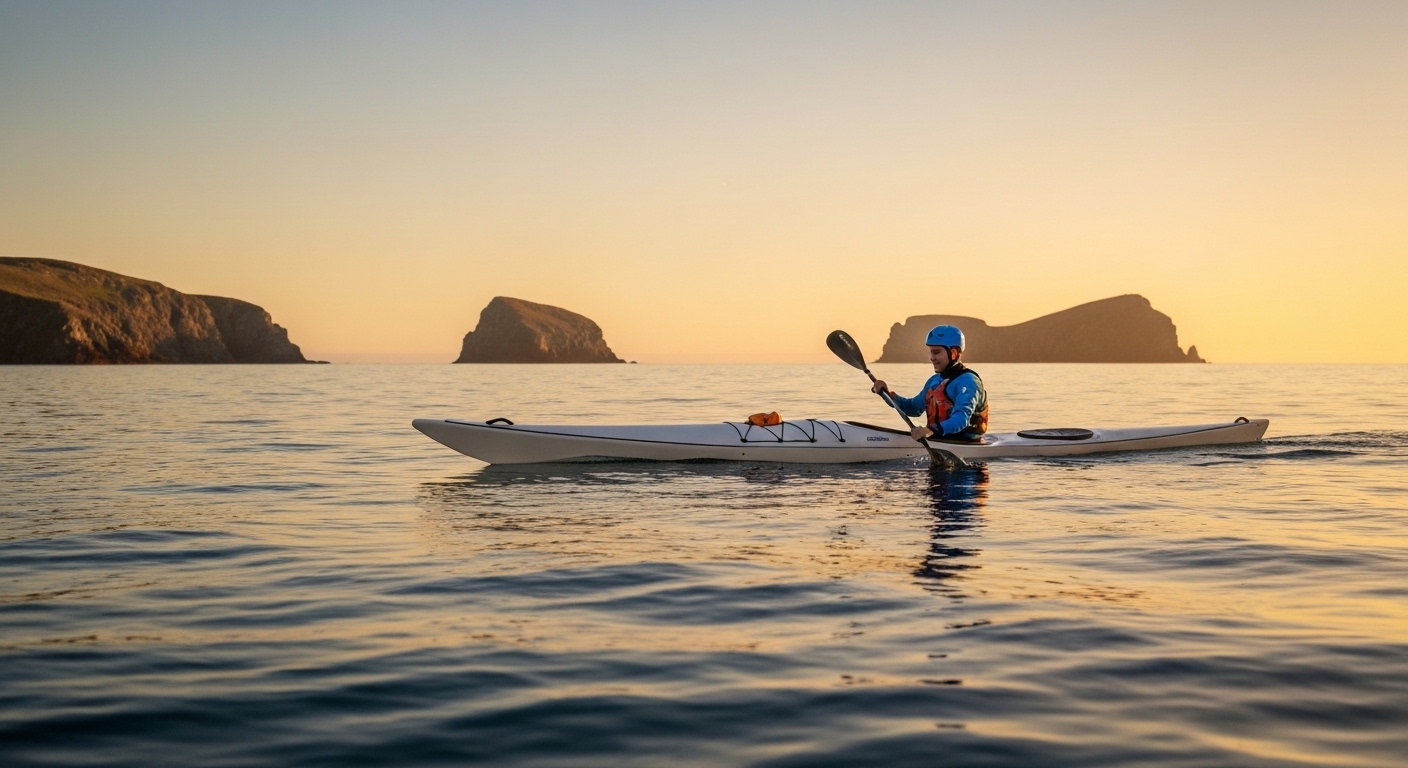
Best Touring & Sea Kayaks of 2026
Four touring and sea kayaks tested honestly — with the catches spelled out alongside the praise.
See the top picks →Touring kayaks are built to cover distance, track straight, and carry gear — and the right one changes what a day on the water looks like.
At a Glance
| Kayak | Best for | Specs | Price |
|---|---|---|---|
| Wilderness Systems Tsunami 125 | Best Overall Touring | Sit-in touring | 12'6" | 300 lb capacity | 2 hatches | ~$1,300 |
| Perception Carolina 12 | Best Value Touring | Sit-in touring | 12'0" | 325 lb capacity | 2 hatches | ~$850 |
| Riot Edge 14.5 | Best True Sea Kayak | Sit-in sea kayak | 14'6" | 290 lb capacity | 2 sealed bulkheads | ~$1,000 |
| Sun Dolphin Excursion 12 | Best Budget Pick | Sit-in touring | 12'0" | 250 lb capacity | 1 hatch | ~$450 |
The Top Picks, Reviewed
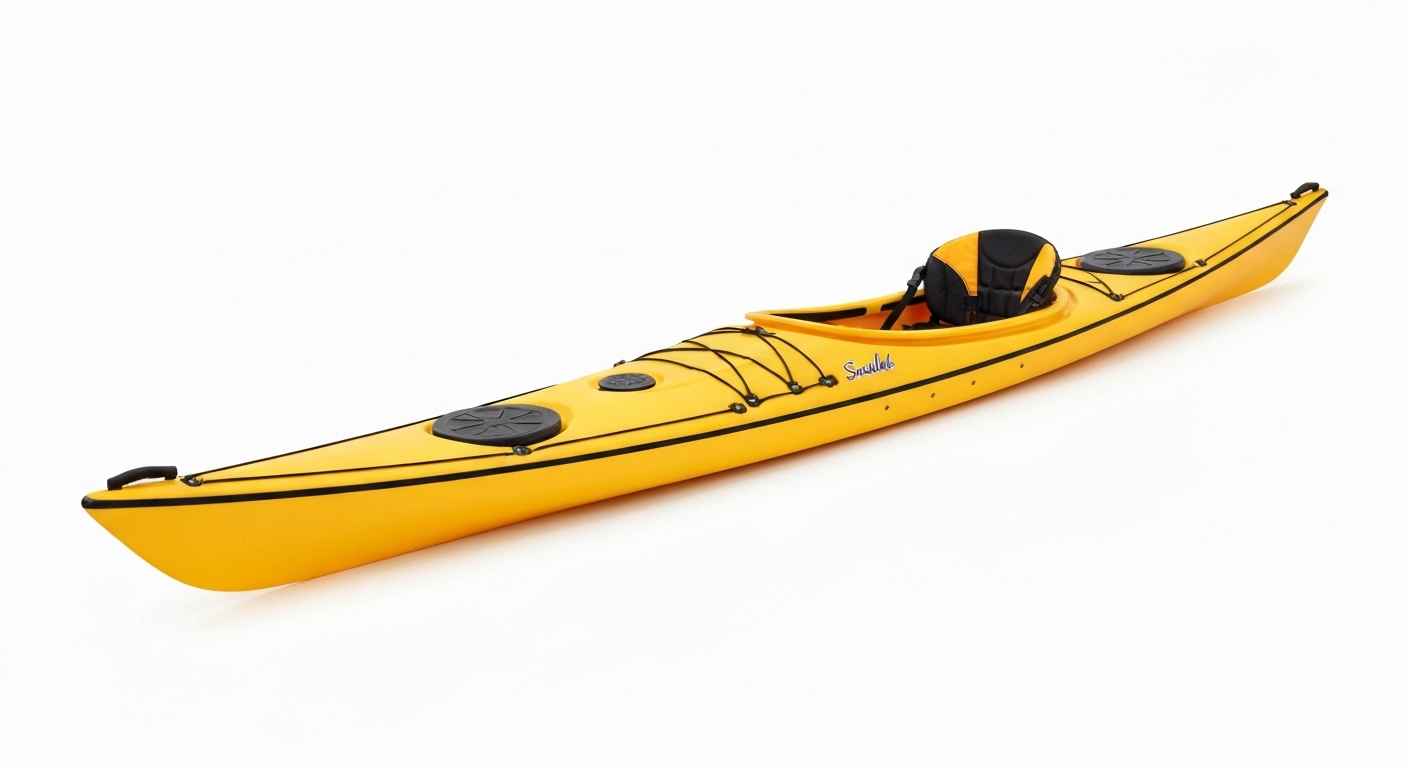
Wilderness Systems Tsunami 125
The Tsunami 125 earns its reputation as the benchmark mid-length tourer. The Phase 3 AirPro seat is genuinely exceptional — adjustable thigh pads, lumbar support, and a mesh backrest that stays comfortable on four-hour paddles without the usual hot spots. At 12.5 feet it tracks beautifully with minimal correction strokes, and the sealed bow and stern hatches give you real dry storage for a day kit or an overnight bag. The catch: at $1,300 it’s a serious investment, and you’ll need a roof rack or kayak trailer — this boat doesn’t fit in a pickup bed.
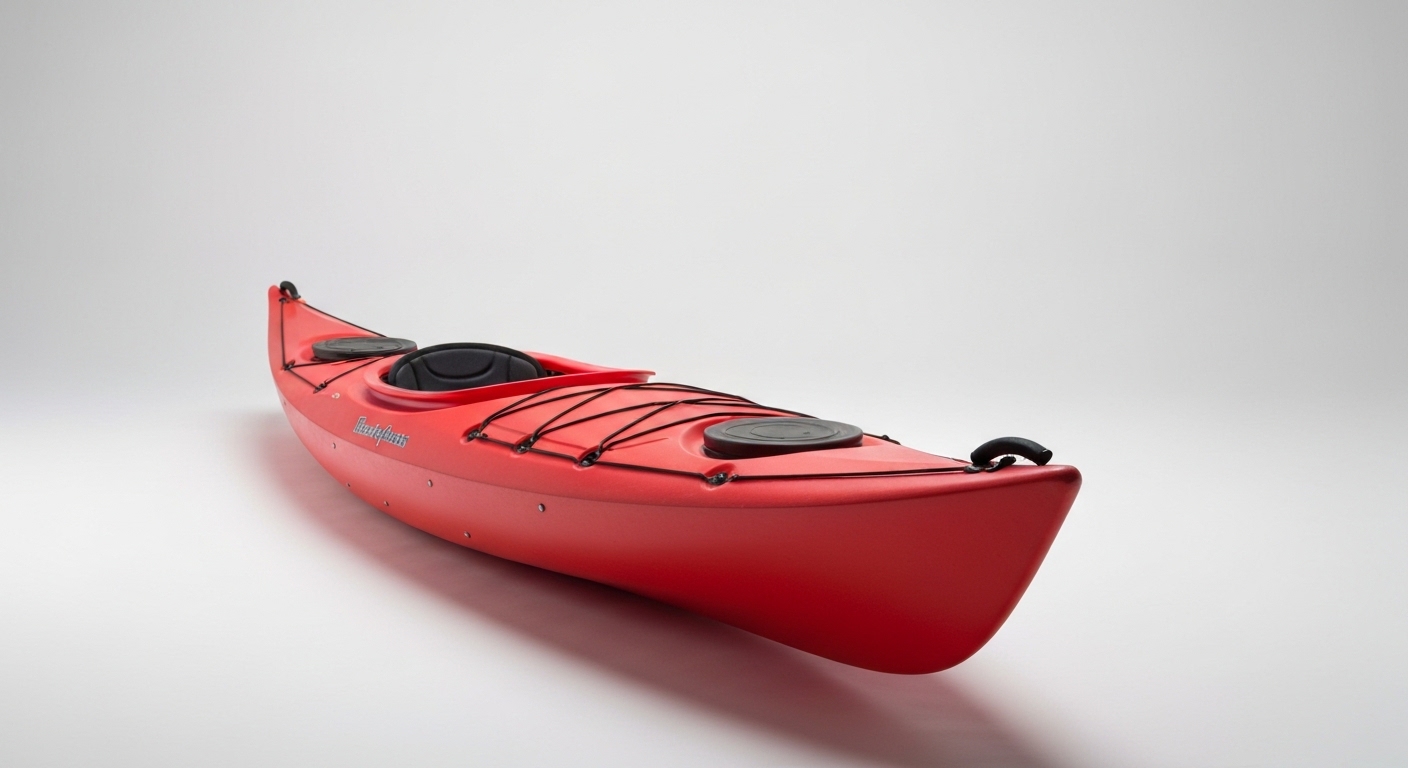
Perception Carolina 12
The Carolina 12 is the smartest first touring kayak on the market right now. It sits wider and more stable than performance sea kayaks, which means beginners can focus on paddling technique instead of managing wobble. The seat is supportive, the two hatches give you real dry storage, and the boat handles predictably in mild chop. The honest trade-off: at 12 feet with a relatively wide beam, it’s noticeably slower than a 14-foot sea kayak — if speed and open-water capability matter more than comfort and confidence, step up to the Riot below.
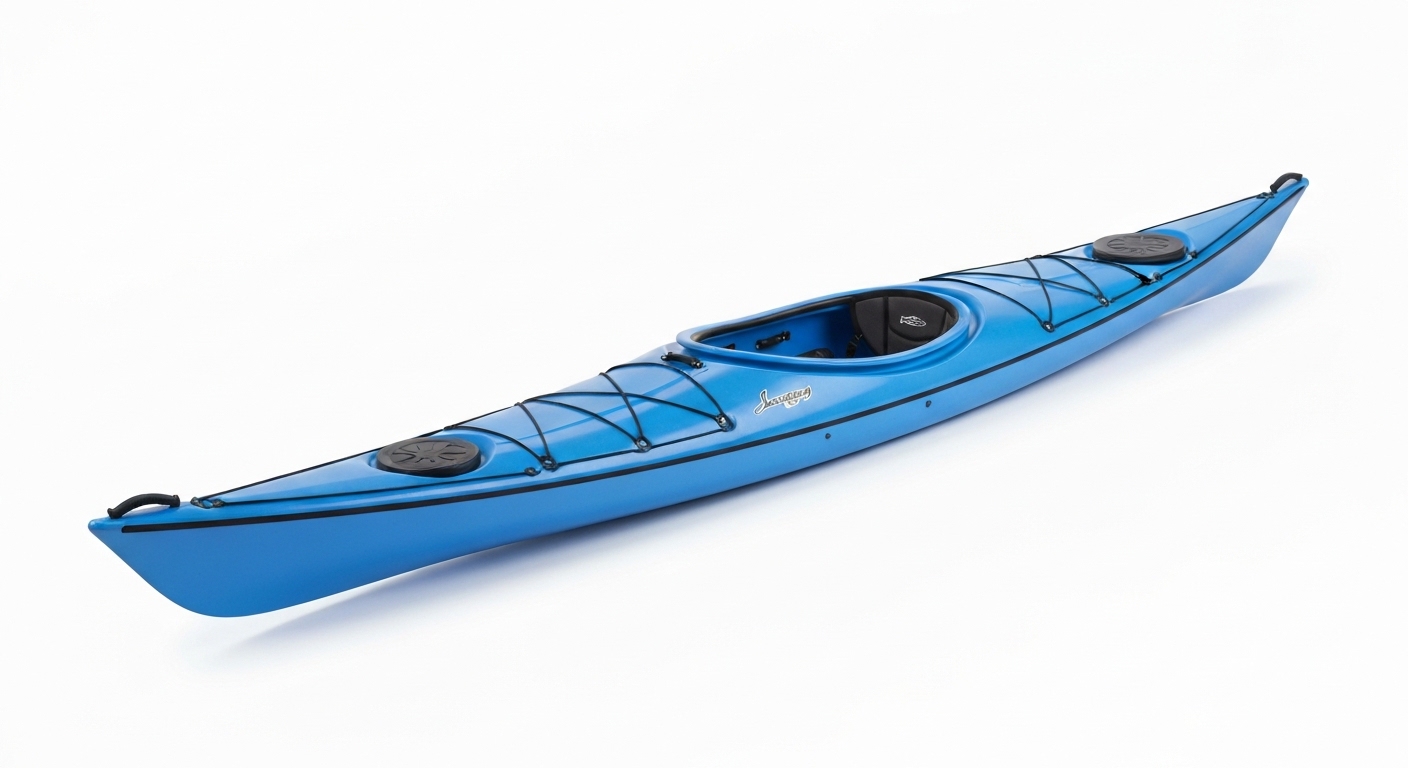
Riot Edge 14.5
If you’re paddling coastal water, tidal channels, or anything that can build real chop, the Riot Edge 14.5 is the pick in this price range. The two sealed bulkheads provide genuine flotation safety — if you swamp, the boat stays afloat and recoverable. The integrated skeg keeps tracking solid in crosswinds without locking you into a straight line. At 14.5 feet it’s meaningfully faster than a 12-foot tourer, and the hull handles quartering swells with confidence. The real catch: 14.5 feet is a lot of boat to store, strap to a car, and maneuver on a narrow launch ramp.
Sun Dolphin Excursion 12
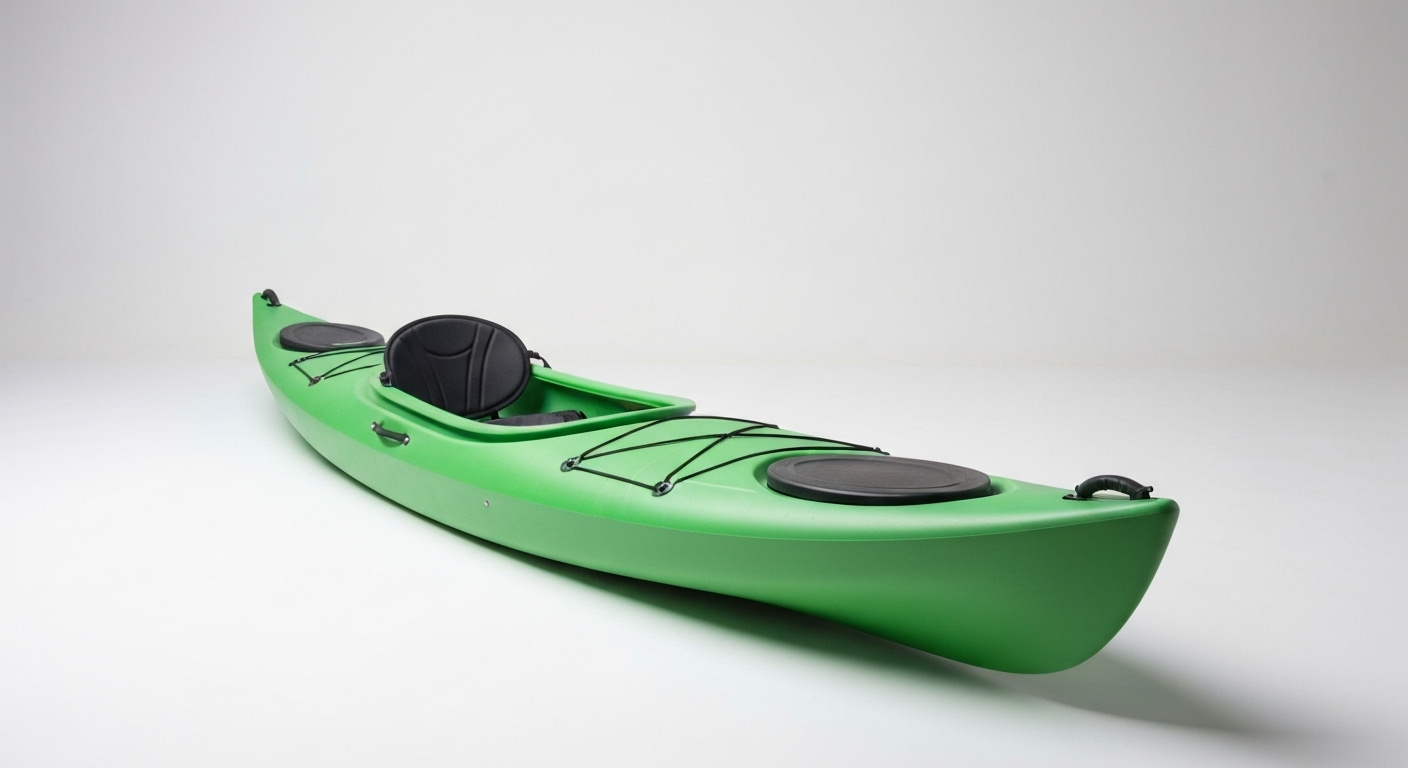
At $450, the Sun Dolphin Excursion 12 does things a $450 kayak has no business doing: it has a bow hatch, a cockpit that actually fits adult paddlers, and a hull shape that tracks reasonably well on flatwater and gentle rivers. For someone who wants to try touring before committing four figures to the hobby, it’s a legitimate on-ramp. The honest cons are real, though: the seat is basic foam-and-plastic with limited adjustability, the high-density polyethylene hull is noticeably heavier than comparable boats, and there are no sealed bulkheads — meaning if you swamp in open water, you’re dealing with a waterlogged boat rather than a recoverable one.
What Touring and Sea Kayaks Are Actually For
Touring kayaks and sea kayaks exist on a spectrum that recreational boats simply don’t cover. A best recreational kayaks roundup will point you toward wide, stable hulls designed for calm lakes and easy rivers. Touring kayaks trade some of that instant stability for efficiency — narrower beams, longer waterlines, and hull shapes designed to cover miles rather than just float comfortably.
“Touring kayak” typically means 11–14 feet: long enough to track and carry gear, short enough to be manageable for one person on a car top. “Sea kayak” usually means 14 feet and up, with sealed bulkheads for safety, a skeg or rudder for open-water control, and a hull that handles real conditions. Both categories are built around the idea of going somewhere — a coastal lunch spot, an island, a multi-day route — not just paddling in circles near the launch.
If you’re still deciding whether touring is right for you at all, the picks in our best beginner kayaks guide are a useful comparison — some of the more capable beginner boats overlap with the entry end of the touring category.
Length, Tracking, and Speed: Why They're Linked
The single most important number on a touring kayak spec sheet is length, and it matters because of a simple physics relationship: a longer waterline allows a faster hull speed. A 14.5-foot sea kayak like the Riot Edge will cover the same distance with meaningfully less effort than a 12-foot recreational boat — over a two-hour paddle, that gap becomes significant.
Length also affects tracking, which is how well a kayak holds a straight line without constant correction strokes. Longer, narrower hulls tend to track better. Shorter, wider hulls turn more easily but require more work to keep pointed where you want to go. Most touring kayaks split this down the middle: they track well enough to paddle efficiently, but not so rigidly that maneuvering in tight coves becomes a chore.
Skegs and rudders exist to manage tracking in conditions. A skeg — a deployable fin under the stern — improves straight-line tracking in crosswinds and helps you hold course in current without fighting the paddle. It doesn’t steer; it just stabilizes. A rudder does both. For most flatwater and coastal day-touring, a skeg is sufficient and mechanically simpler.
Hatches, Bulkheads, and Why Safety Isn't Optional
This is the section budget kayak buyers most often skip, and it’s the one that matters most when something goes wrong.
A hatch is a closable opening in the deck that lets you access storage space. A bulkhead is a watertight wall inside the hull that seals that storage compartment. These are not the same thing, and the difference is significant: a hatch alone stores gear and keeps it dry, but if the compartment behind it isn’t sealed with a bulkhead, a capsized boat fills with water and becomes unmanageable. A sealed bulkhead means that compartment stays full of air even when the boat swamps — the kayak stays buoyant and recoverable.
A true sea kayak has two sealed bulkheads: one forward of the cockpit, one behind. This is what makes open-water paddling a recoverable situation rather than a survival scenario. The Riot Edge 14.5 has this; the Sun Dolphin Excursion does not. That’s not a knock on the Sun Dolphin — it’s a budget flatwater boat doing what it’s designed for — but it’s an important reason not to take it into coastal conditions.
If you’re considering fishing from a kayak as well, check our best fishing kayaks guide — many fishing-specific boats have similar storage and stability trade-offs worth understanding before you buy.
Fit and Comfort for Long Days on the Water
Seat quality in kayaks follows a clear market pattern: below $600, you get basic foam or molded plastic with limited adjustability. From $800 to $1,100, you get padded seats with some lumbar support. Above $1,100, you start seeing systems like the Wilderness Systems Phase 3 AirPro — adjustable thigh braces, replaceable lumbar pads, tensioned mesh backrests — that are genuinely designed for four-plus-hour use.
Outfitting beyond the seat also matters. Thigh braces — pads inside the cockpit that your legs press against — give you body contact with the boat and allow you to brace, lean, and maneuver with your whole body rather than just your arms. This reduces fatigue significantly on long paddles. Foot braces with adjustable position ensure your legs aren’t cramped or hyperextended, which affects both comfort and stroke efficiency.
One practical note: sit in the cockpit and check the combing height before you buy. A tight cockpit is good for control but bad for getting in and out gracefully, especially at a shallow beach launch. Most 12-foot recreational tourers have comfortable entry; true sea kayaks with low, narrow cockpits take practice.
How to Match the Kayak to Your Actual Paddling
Here’s the honest framework: if you’re doing flatwater lakes, calm bays, and protected river sections — the Perception Carolina 12 at $850 covers nearly everything you’ll encounter. If you already know you want to paddle coastline, tidal water, or anything with real wind and chop, start with the Riot Edge 14.5 and learn to manage the longer boat. If you want the best all-around touring experience and comfort matters as much as performance, the Wilderness Systems Tsunami 125 is the answer and the price is justified. If you’re genuinely uncertain whether touring kayaking is for you and $450 lets you find out without a painful loss if it’s not — the Sun Dolphin Excursion is a reasonable starting point.
What none of these boats do: replace a whitewater kayak for moving river water, substitute for a fishing platform kayak with rod holders and a standing deck, or replace a pedal-drive boat for hands-free fishing. They are designed for distance and direction on flatwater and open water. That’s a specific thing, and when it’s the right thing, a good touring kayak is one of the most satisfying pieces of gear you can own.