
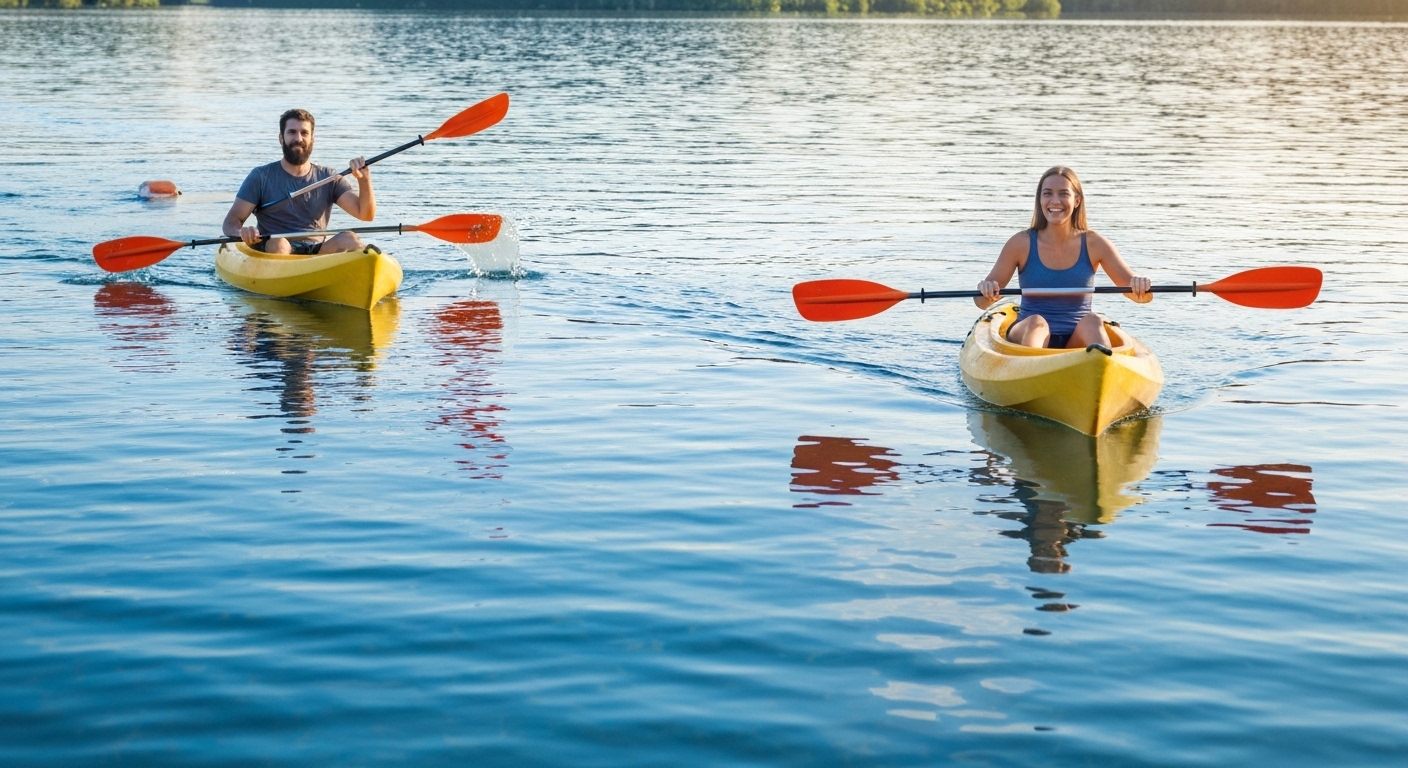
Best Recreational Kayaks of 2026
Best Recreational Kayaks of 2026
See the top picks →Recreational kayaks sit in a sweet spot: they’re stable enough for beginners, affordable enough for casual paddlers, and light enough to throw on a car roof without a second person. But “recreational” covers a lot of ground — from $250 plastic shells to padded, feature-rich day-tourers. We tested and researched the most popular options so you don’t have to sort through pages of identical listings. Whether you’re heading to a flat lake, a slow river, or a local pond, one of these four picks will get you on the water without drama. Fair warning: we list the downsides right alongside the upsides. If a kayak wanders or flexes, you’ll know before you buy.
At a Glance
| Kayak | Best for | Specs | Price |
|---|---|---|---|
| Pelican Argo 100X | Best Budget Overall | 10 ft | 36 lb | 300 lb | Sit-in | Large tunnel cockpit | $330 |
| Perception Flash 9.5 | Best Value | 9.5 ft | 44 lb | 250 lb | Sit-in | Extra-large cockpit | $500 |
| Sun Dolphin Aruba 10 | Cheapest Option | 10 ft | 40 lb | 250 lb | Sit-in | Open cockpit | $280 |
| Lifetime Lotus 80 | Best Ultralight | 8 ft | 28 lb | 200 lb | Sit-in | Open cockpit | $250 |
The Top Picks, Reviewed
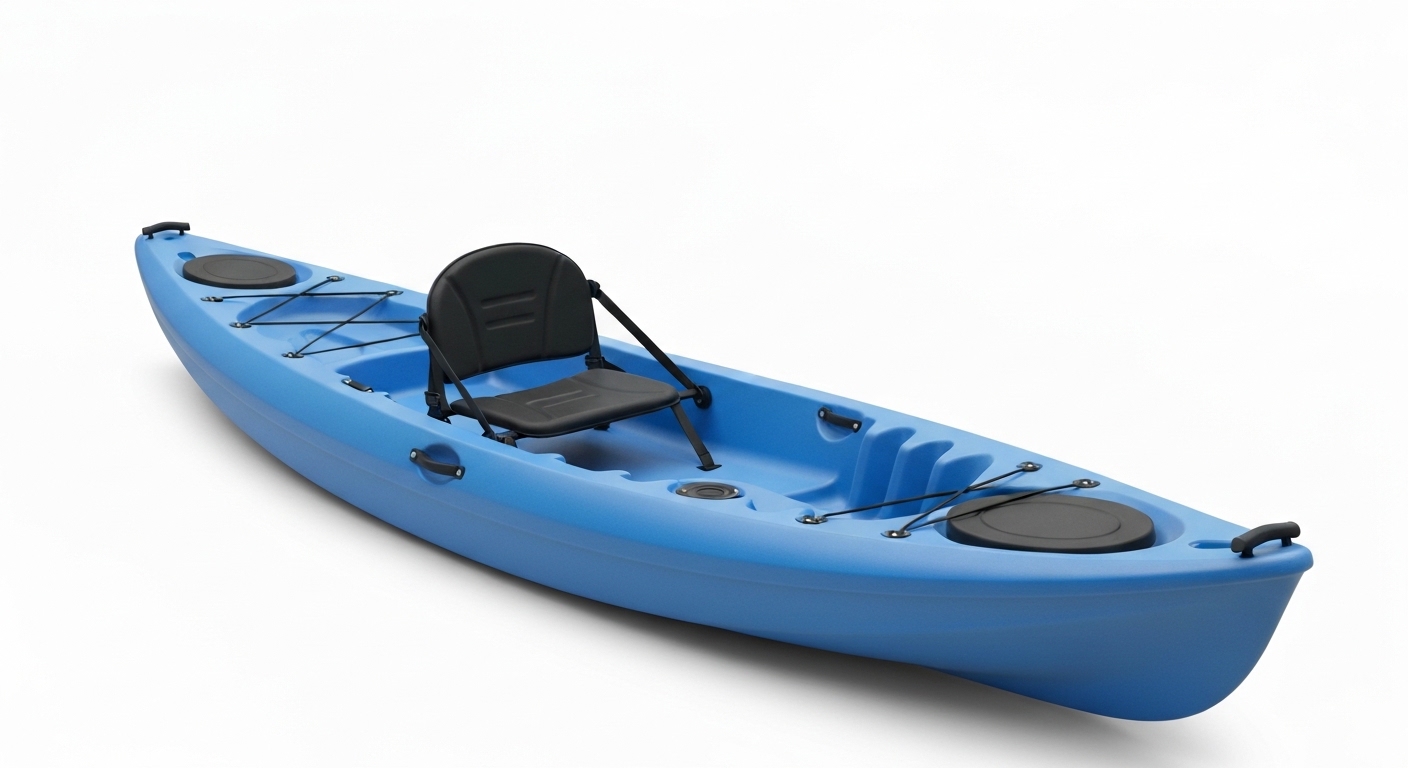
Pelican Argo 100X
The Pelican Argo 100X earns the top budget slot because it nails the basics without cutting corners where it matters. At 36 pounds, it’s one of the lightest 10-foot sit-ins on the market — solo car-topping is genuinely feasible for most adults. The ERGOFORM padded backrest adjusts to multiple positions and actually supports your lower back on a two-hour float, which is more than you can say for the foam pads that come with cheaper boats. The RAM-X hull material holds up to gravel launches and rocky shores better than thin polyethylene competitors. The trade-offs are predictable for a 10-foot recreational kayak. Tracking is loose — you’ll need to correct your course more often than on a longer boat, especially in any crosswind. Storage is limited to a small rear hatch and a bungee-cord front deck: don’t plan a three-day trip. Speed is modest. But for a calm lake, a weekend creek, or your first season on the water, the Argo 100X is hard to beat at this price. It’s also a solid pick to compare against our best beginner kayaks roundup if you’re still deciding between sit-in and sit-on-top.
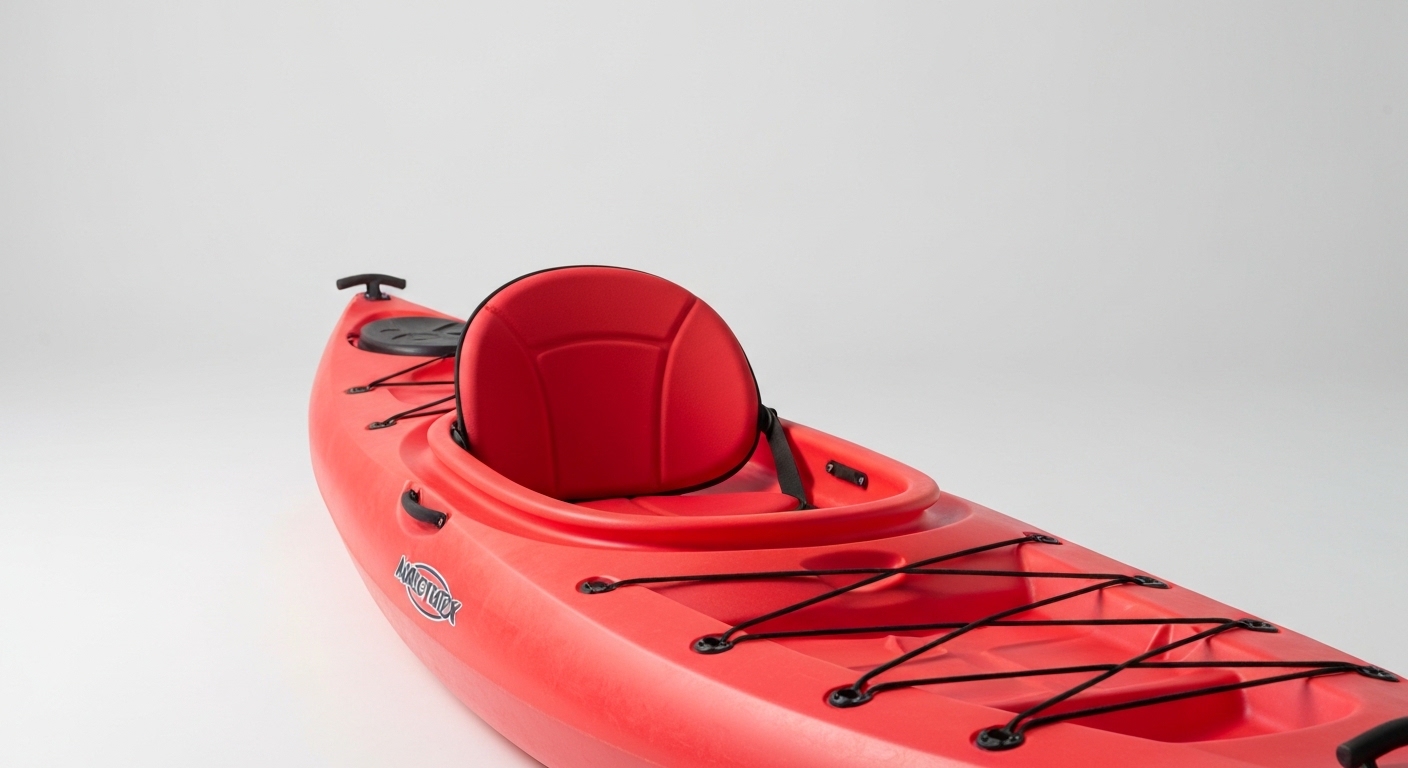
Perception Flash 9.5
Perception has been building kayaks since 1976, and the Flash 9.5 shows that experience. The seat is the standout feature: a fully adjustable high-back chair-style seat that a lot of paddlers compare favorably to options costing twice as much. Entry and exit are effortless thanks to the oversized cockpit — no contorting required, which matters more than people expect once you’ve paddled for two hours and your legs are stiff. Primary stability (the flat-water “tippy” feeling beginners dread) is excellent. The catch: 44 pounds is on the heavier side for a sub-10-foot kayak, which can make solo loading a workout. And like most short recreational boats, the Flash 9.5 is not built for distance — it paddles comfortably on calm lakes and slow rivers but doesn’t hold a line well in wind or moving water. If you’re drawn to fishing, compare it with our best fishing kayaks guide, which covers boats purpose-built for sitting still and casting. For pure recreational paddling with a premium comfort experience at a mid-range price, the Flash 9.5 is the value pick.
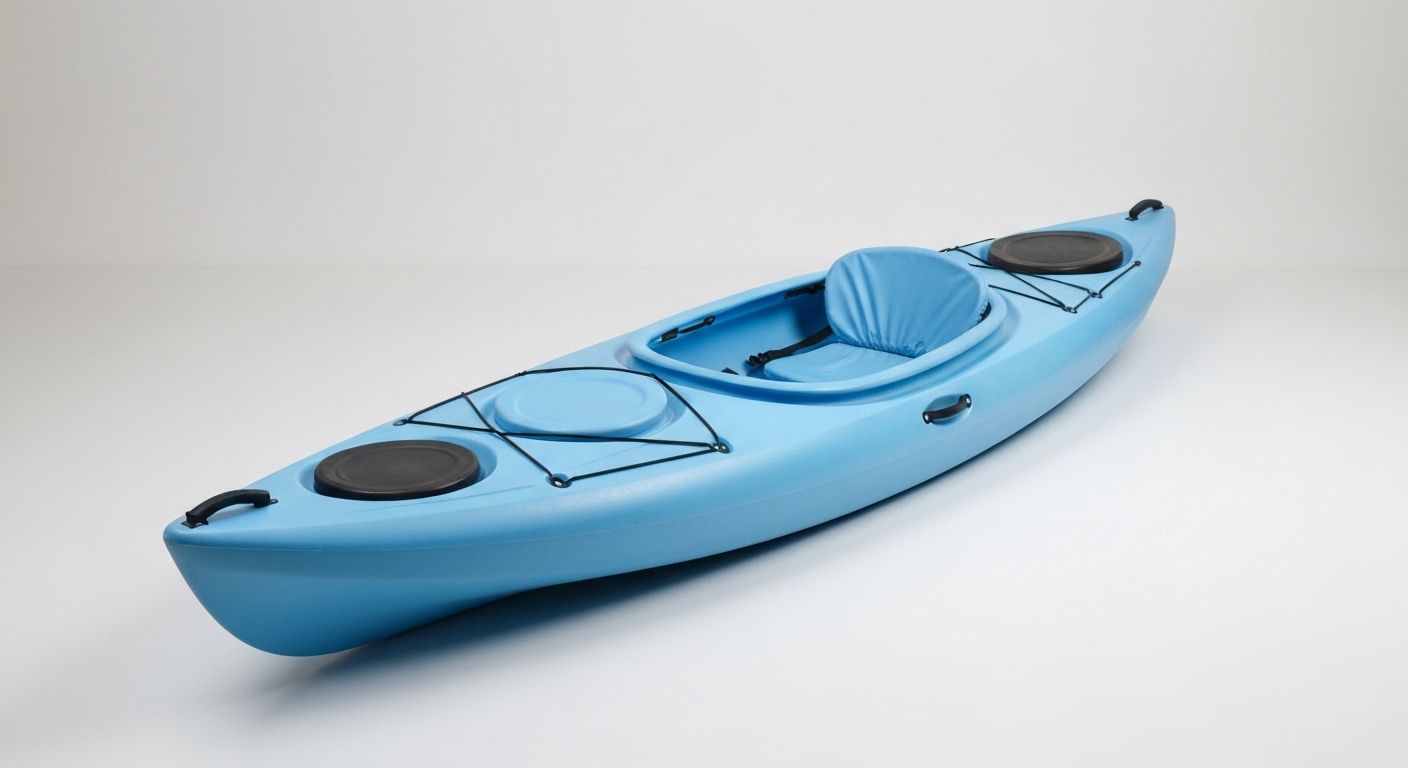
Sun Dolphin Aruba 10
The Sun Dolphin Aruba 10 is the most affordable 10-foot sit-in kayak you’ll find from a name-brand manufacturer, and it delivers exactly what you’d expect at that price point: a boat that floats, paddles, and gets you on the water for under $300. It has a rear storage hatch (a legitimately useful feature at this price), an adjustable-angle seat back, and foot pegs that accommodate different paddler heights. Honesty check: the hull is noticeably thin and flexes more than premium options — you’ll feel it over chop or if you drag it across gravel. The seat cushioning is minimal; longer paddles (more than 90 minutes) will have you shifting around. Speed and tracking are basic. The Aruba 10 is best understood as a starter boat for calm, protected water — a lake house kayak, a kids’ summer rental replacement, or a first purchase for someone who wants to try the sport before committing more money. If you catch the bug and want to upgrade, check our best inflatable kayaks page for packable alternatives that punch above their weight class.
Lifetime Lotus 80
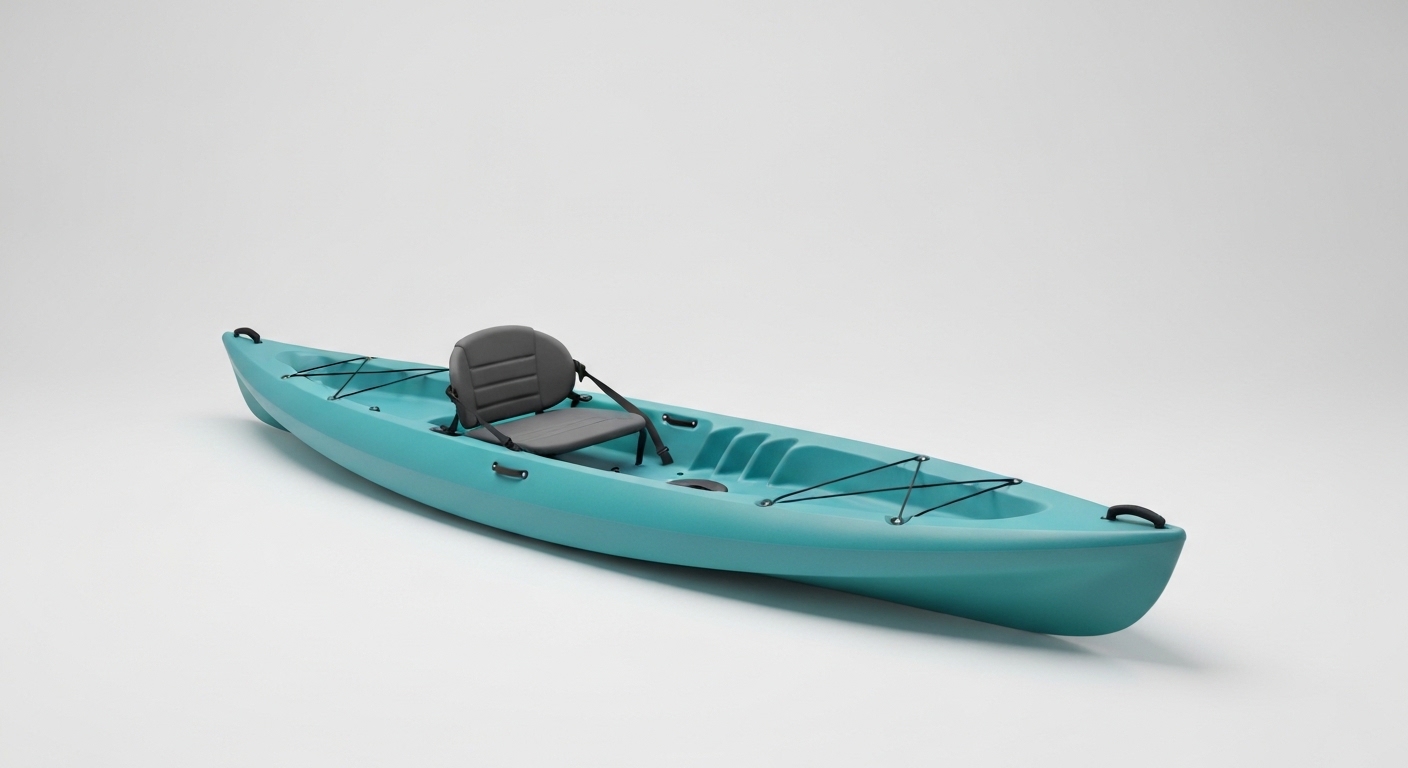
Twenty-eight pounds. That’s it. The Lifetime Lotus 80 is the kayak you buy when the biggest obstacle between you and paddling is getting the boat to the water. At 8 feet and 28 pounds, one person can carry it to the lake, slide it on a car roof alone, and store it in a closet. For smaller paddlers, older adults who can’t wrestle heavy boats, or parents buying a serious first kayak for a kid, the Lotus 80 makes the sport genuinely accessible. The limitations are real and directly tied to the length. Eight feet is short — the Lotus will wander more than a longer kayak, especially in any breeze, and you’ll work harder to maintain a straight line. It’s also snug for paddlers over about 5’10”; tall adults may find the cockpit tight. Top speed is low. Think of it as a pond kayak, a calm-river drifter, or a kids’ adventure boat — not a touring vessel. Within those expectations, it’s excellent. It’s also a natural companion recommendation alongside our best beginner kayaks roundup for smaller paddlers shopping their first boat.
What Does 'Recreational' Actually Mean?
The term “recreational kayak” is a marketing category, not a technical specification — but it does mean something useful. Recreational kayaks are designed for calm, protected water: flatwater lakes, ponds, slow rivers, and sheltered bays. They prioritize stability and ease of use over speed and tracking efficiency. They’re typically 9 to 12 feet long (shorter than touring or sea kayaks), wider in the beam for a stable platform, and built to be approachable for first-time paddlers.
What recreational kayaks are not: they’re not built for open water, ocean swells, whitewater, or long-distance trips. If you’re planning overnight paddle camping or you want to fish from your kayak, you’ll want to explore our best fishing kayaks guide or look at longer touring-class boats. But for the vast majority of casual paddlers — weekends on a local lake, summer river floats, family outings — a recreational kayak does everything you need without the complexity or cost of more specialized boats.
Sit-In vs. Sit-On-Top: Which Is Right for You?
All four picks on this list are sit-in kayaks, and that’s intentional: sit-ins dominate the recreational beginner market because they’re warmer, drier, and faster than sit-on-tops of the same length. Your lower body is enclosed inside the hull, which keeps wind and splash off your legs and makes cold-weather paddling more comfortable.
Sit-on-top kayaks (SOTs) have their advantages, though. They’re easier to get on and off — great for swimming stops or for paddlers who feel claustrophobic in a cockpit. They’re also self-draining, so if you flip one, you won’t have a flooded hull to deal with. SOTs are popular for fishing because you can stand up on wider models. If that sounds like your use case, our best fishing kayaks roundup covers the best SOT options.
For pure recreational paddling on calm water, sit-ins offer better speed and protection. For warm-weather paddling, swimming lakes, or casual splash-friendly outings, a sit-on-top may be more fun. Both are valid — it comes down to how and where you paddle most.
Length and Speed: Why 10 Feet Is the Sweet Spot
Kayak length directly affects speed and tracking. Longer hulls cut through water more efficiently, hold a straight line more easily, and cover more distance per paddle stroke. Shorter hulls are slower and wander more — but they’re easier to turn, lighter to carry, and more manageable for beginners.
Most recreational kayaks land between 9 and 12 feet. The 10-foot range (like the Pelican Argo 100X and Sun Dolphin Aruba 10) hits a practical sweet spot: maneuverable enough for slow rivers and tight lake coves, long enough to track reasonably well on open water. The 8-foot Lifetime Lotus trades some speed for serious portability. The 9.5-foot Perception Flash is slightly shorter but compensates with a wider beam for extra stability.
For reference: serious touring kayaks start at 14 feet. If you ever want to paddle longer distances, cover open water, or pack for overnight trips, you’ll eventually outgrow a recreational-length boat. But for most beginners, a 10-footer is plenty of kayak for years of enjoyable paddling.
Weight and Portability: The Overlooked Deal-Breaker
Paddlers consistently underestimate how much kayak weight matters in real-world use. The heaviest kayak in your garage is the one you paddle least. If getting the boat to the water requires two people, a truck bed, and fifteen minutes of wrestling, you’ll skip sessions on impulse.
The lightest pick here, the Lifetime Lotus 80, weighs just 28 pounds — solo car-topping is easy for most adults. The Pelican Argo 100X at 36 pounds is still manageable alone with a good carry handle. The Sun Dolphin Aruba 10 at 40 pounds and the Perception Flash 9.5 at 44 pounds are heavier; solo loading requires technique (or a loading assist system on your rack).
If you have a short distance from car to water, weight matters less. If you’re hiking a trail to a remote pond or launching from a steep bank, shave every pound you can. It’s also worth considering inflatable options — our best inflatable kayaks roundup covers packable boats that weigh under 25 pounds and fit in a backpack, which is a completely different kind of portability.
Comfort and Stability for Beginners
Two things determine whether a beginner sticks with kayaking after the first trip: stability and seat comfort. A tippy boat makes new paddlers tense and exhausted. An uncomfortable seat makes any paddle over an hour miserable.
Stability in a kayak has two types: primary stability is how stable the boat feels when you’re sitting flat on calm water — the “tippy” feeling beginners worry about. Secondary stability is how the hull behaves when it’s leaned to one side. Wide, flat-hulled recreational kayaks like these four prioritize primary stability, which is exactly right for beginners on flatwater.
Seat quality varies enormously at this price range. The Perception Flash 9.5 has the best seat of this group — a high-back adjustable chair that genuinely supports your posture. The Pelican Argo’s ERGOFORM backrest is solid for the price. The Sun Dolphin Aruba’s seat is basic and will feel it on longer paddles. The Lifetime Lotus is fine for short outings. If you’re planning to spend more than two hours on the water regularly, weight the seat comfort heavily in your decision — it makes a bigger difference than most spec sheets suggest.