
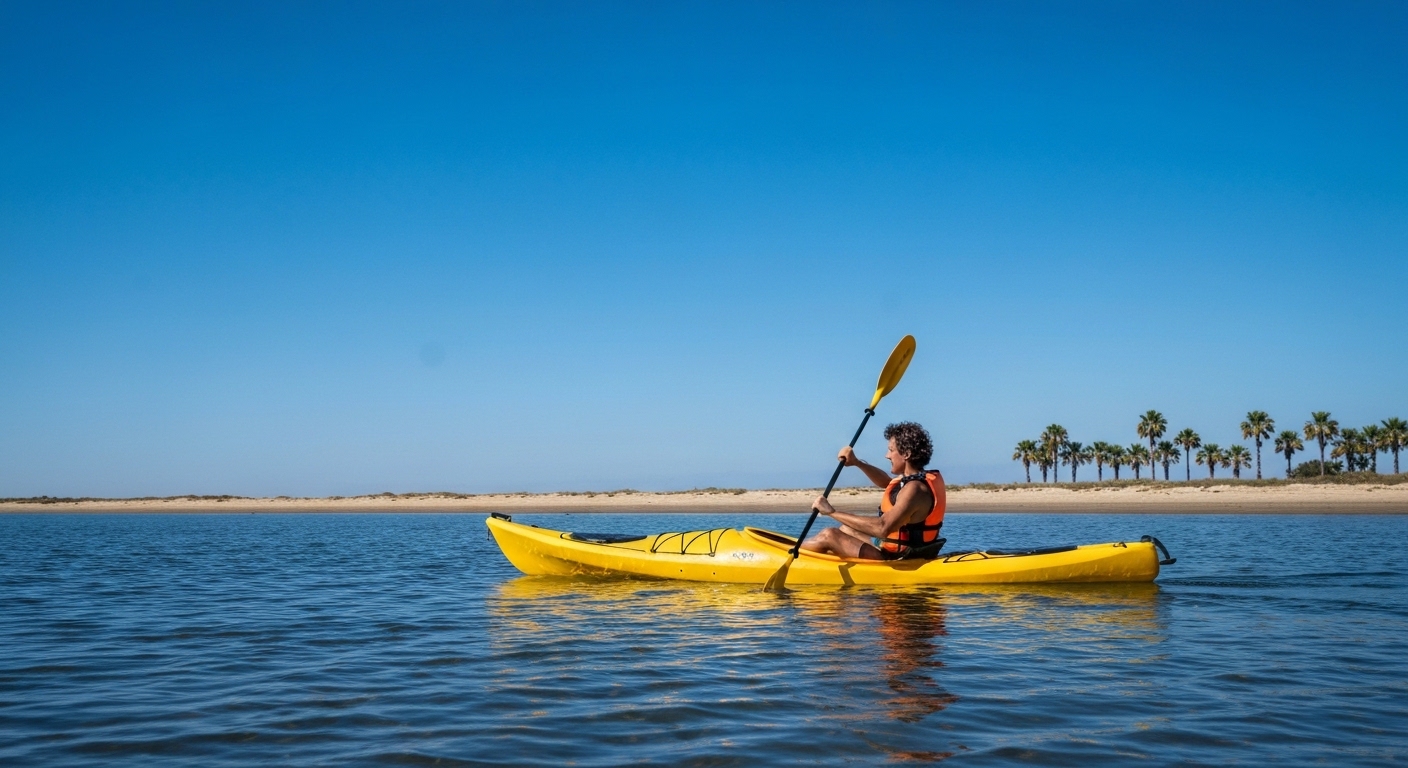
Is Kayaking Safe?
Kayaking is genuinely one of the safest outdoor sports you can pick up—as long as you go in with your eyes open.
Best beginner kayaksEvery year millions of people paddle lakes, bays, and rivers without incident. But every year a handful of preventable accidents make the news, and they almost always trace back to the same handful of mistakes. This guide lays out the real risks, tells you which ones actually matter, and gives you a clear checklist so your first season on the water stays fun instead of scary.
The Short Answer: Yes, Kayaking Is Very Safe
Statistically, kayaking is safer than driving to the put-in. The U.S. Coast Guard’s annual recreational boating safety report consistently shows that kayaking fatality rates are low—and that the overwhelming majority of deaths involve one or more of three factors: no life jacket, cold water, and alcohol. Remove those three variables and your risk drops dramatically.
That’s the reassuring news. The honest news is that water is an unforgiving environment if you treat it casually. Respecting a few non-negotiable rules is all the difference between a sport with an excellent safety record and a statistic.
The Real Risks—And Which One Is the #1 Killer
Most people think about drowning when they imagine a kayaking accident. The real silent killer is cold water shock and hypothermia. When you capsize into water below 60°F, your body’s gasp reflex can cause you to inhale water within seconds. If you survive the initial shock, you have minutes—not hours—before your muscles stop working well enough to self-rescue. This kills experienced paddlers who skip a drysuit on a “nice” spring day because the air temperature felt fine. Always dress for the water temperature, not the air temperature. See our PFD & life jacket rules guide for how to pair thermal protection with your flotation.
Drowning without a PFD. A worn, properly fitted personal flotation device keeps an unconscious person face-up. An unclipped PFD stuffed under the bow does nothing. This is so important it gets its own section below.
Capsizing. Every kayak will capsize eventually—that’s not a disaster, it’s a skill to practice. The danger is capsizing in conditions you haven’t prepared for: cold water, fast current, or far from shore.
Weather and wind. Flat-calm mornings on a lake can turn into whitecap chaos by early afternoon as thermals build. Open-water wind can pin you against a lee shore or exhaust you trying to paddle home. Check a marine forecast, not just a phone weather app, before you go.
Sun and dehydration. You’re surrounded by water and rarely feel hot because the breeze masks it. A full day on the water without sunscreen and regular hydration leads to heat exhaustion faster than most beginners expect. Bring more water than you think you need.
River-specific hazards: dams and strainers. Flatwater paddlers can mostly ignore this, but if you’re ever on moving water: a strainer is anything that lets water pass but catches a body—a downed tree, a root ball, bridge pilings. Dams create hydraulics that recirculate and hold swimmers. Both are nearly impossible to escape once you’re in them. If you’re new, stick to flatwater until you’ve taken a swift-water awareness course.
The Safety Essentials: Your Non-Negotiable List
These aren’t suggestions. Every item on this list has a real accident behind it.
- Always wear your PFD—not just bring it. A Type III or Type V paddling PFD worn snugly is the single highest-impact safety decision you can make. Browse our best beginner kayak picks—we call out compatible PFD styles alongside each boat.
- Dress for the water temperature. Under 60°F water = wetsuit or drysuit, no exceptions. 60–70°F = wetsuit strongly recommended. Above 70°F = you have more flexibility, but a quick-dry base layer still beats cotton.
- Check the forecast before you leave, not when you arrive. Look for wind speed, wind direction, and storm probability. A marine or lake forecast beats a generic weather app for on-water conditions.
- Tell someone your float plan. Where you’re launching, where you plan to go, when you expect to be back. If you’re not back by X, call coast guard or local emergency services. This costs nothing and has saved lives.
- Stay close to shore as a beginner. Within comfortable swimming distance means within 50–100 yards on cold or open water. Closer is fine. The middle of the lake is not where you want to practice your wet exit for the first time.
- No alcohol on the water. Alcohol impairs balance, judgment, and cold-water survival response. It’s also a legal issue—boating under the influence carries the same penalties as driving under the influence in most states.
- Know basic self-rescue before you need it. Practice a wet exit (getting out of a capsized kayak) in warm, shallow, controlled water before paddling anywhere that matters. A simple paddle-float re-entry takes about 20 minutes to learn and can save your life.
- Carry a whistle and a light. A pealess whistle clipped to your PFD carries farther than your voice and doesn’t require hands. A waterproof light matters if you’re ever on the water near dawn or dusk—it’s also required by law in most states after sunset.
Beginner-Specific Tips: How to Start Right
The gear and rules above apply to everyone. These tips are specifically for your first season.
Start on calm flatwater. A protected lake, a slow river backwater, or a calm bay on a windless morning. You want to build confidence and muscle memory, not fight conditions. Save coastal paddling and rivers for after you’ve logged some hours.
Take a lesson. A half-day intro course from an ACA-certified instructor will teach you more in four hours than a month of self-teaching on the water. You’ll learn wet exits, basic strokes, and how to read conditions—all of which matter from day one.
Paddle with someone. Solo paddling is fine once you have experience. For beginners, having even one other person on the water with you turns a potential emergency into a manageable problem.
Choose the right boat. A stable, wide recreational kayak makes learning dramatically less stressful. A narrow touring kayak is faster but will punish beginner balance. Check out our best beginner kayak guide for stable options at every price point, and explore our full kayak guides to find the right fit for your paddling style.
Know your exit strategy before you launch. Before you paddle, look at the shoreline and identify three or four places where you could pull out in an emergency. Wind, current, and fatigue change your route—knowing your outs reduces panic if conditions shift.
Build up slowly. Your first trip doesn’t need to be five miles. A two-mile loop on a calm lake, practiced a dozen times, builds the conditioning and water-reading skills that keep you safe on bigger adventures later.
A Word on Kayaking vs. Other Water Sports
Context matters. Kayaking is substantially safer than whitewater rafting, kiteboarding, or open-ocean swimming. It’s comparable in overall risk profile to road cycling—activities where the base activity is safe but the environment punishes inattention. The difference is that water adds cold exposure and the absence of a ground to land on, which is why the rules around PFDs and thermal protection are absolute rather than advisory.
For most beginners paddling recreational kayaks on protected flatwater, the realistic risk on any given day is a mild sunburn and some sore arms. Keep it that way by treating the non-negotiables as non-negotiable.
Quick-Reference Safety Checklist
Print this, laminate it, clip it to your bag. Run through it before every launch.
- PFD on and snug?
- Dressed for water temperature?
- Forecast checked—wind, storms, water temp?
- Float plan left with someone?
- Whistle clipped to PFD?
- Water and snacks packed?
- Sunscreen applied?
- Phone in a dry bag?
- Know your emergency pull-outs?
- Sober?
All ten? You’re ready to paddle. Need more detail on any item? Our PFD & life jacket rules guide goes deep on flotation requirements by state and water type.