Best Soft-Top Surfboards of 2026
We paddled out on every foamie we could get our hands on to find the soft-tops actually worth your money in 2026.
See the top picks →Soft-top surfboards are the easiest, safest, most forgiving way to start surfing — and a lot of seasoned surfers keep one in the quiver for small, sloppy days too. We’ve ridden, dinged, and dunked dozens of foamies over the years, so this list cuts through the marketing to the boards that genuinely glide, hold up, and won’t put you off the sport. Below are the six we’d actually recommend, from the legendary Wavestorm to a few step-up foamies that surprised us.
At a Glance
| Surfboard | Best for | Specs | Price |
|---|---|---|---|
| Wavestorm 8' Classic Soft-Top | Best Overall Soft-Top | 8'0" length, 86L volume, IXPE deck, triple wood stringers, soft fins + leash included | $150–$200 |
| Catch Surf Odysea Log 8' | Best Performance Foamie | 8'0" log shape, dual stringers, slick HDPE bottom, removable thruster fin setup | $280–$330 |
| South Bay Board Co. Heritage 9' | Best Longboard Soft-Top | 9'0" longboard, EPS foam core, double maple stringers, wood-grain deck, 2+1 fin box | $450–$550 |
| Degree33 Ultimate Longboard Soft-Top | Best Hybrid Performance | 8'/9' options, EPS+epoxy hybrid construction, triple stringer, FCS-compatible fins | $400–$480 |
| Ocean & Earth Ezi-Rider | Best-Built Foamie | 7'–8' sizes, EPS core, triple timber stringers, reinforced rails, soft + nylon fins | $300–$380 |
| Isle Coronado Soft-Top | Best Epoxy-Core Step-Up | Epoxy-glassed EPS core, soft foam deck, performance hybrid outline, thruster fin setup | $500–$600 |
The Top Picks, Reviewed
Wavestorm 8' Classic Soft-Top
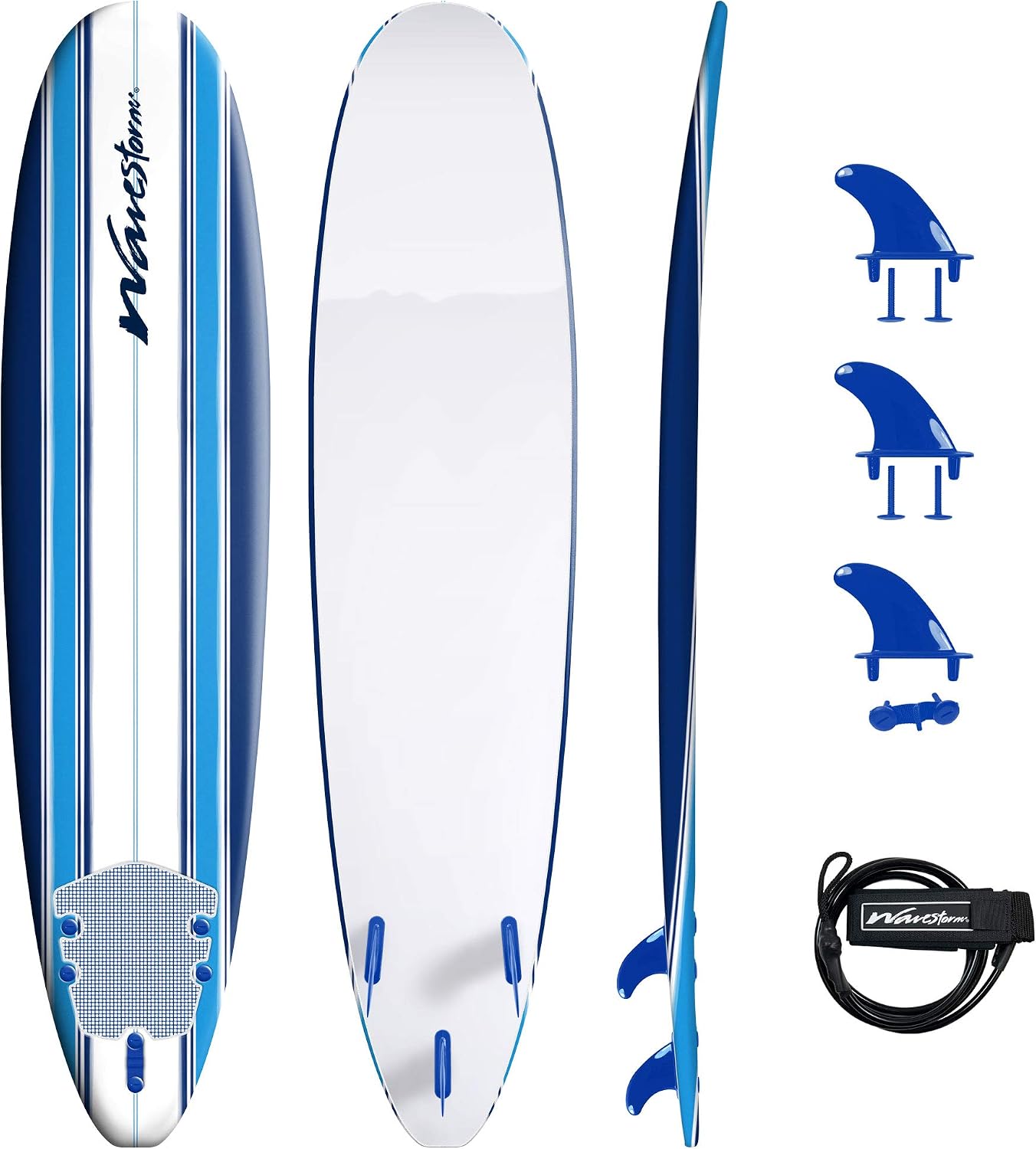
There’s a reason the Wavestorm is the best-selling surfboard in America: it’s cheap, catches almost anything, and the triple-stringer core is stiffer than most foamies in this price range. It won’t win you a heat, but for learning to pop up and stack waves it’s hard to beat the value. We’ve seen these survive years of abuse and still float. If you’re brand new, start here.
Catch Surf Odysea Log 8'
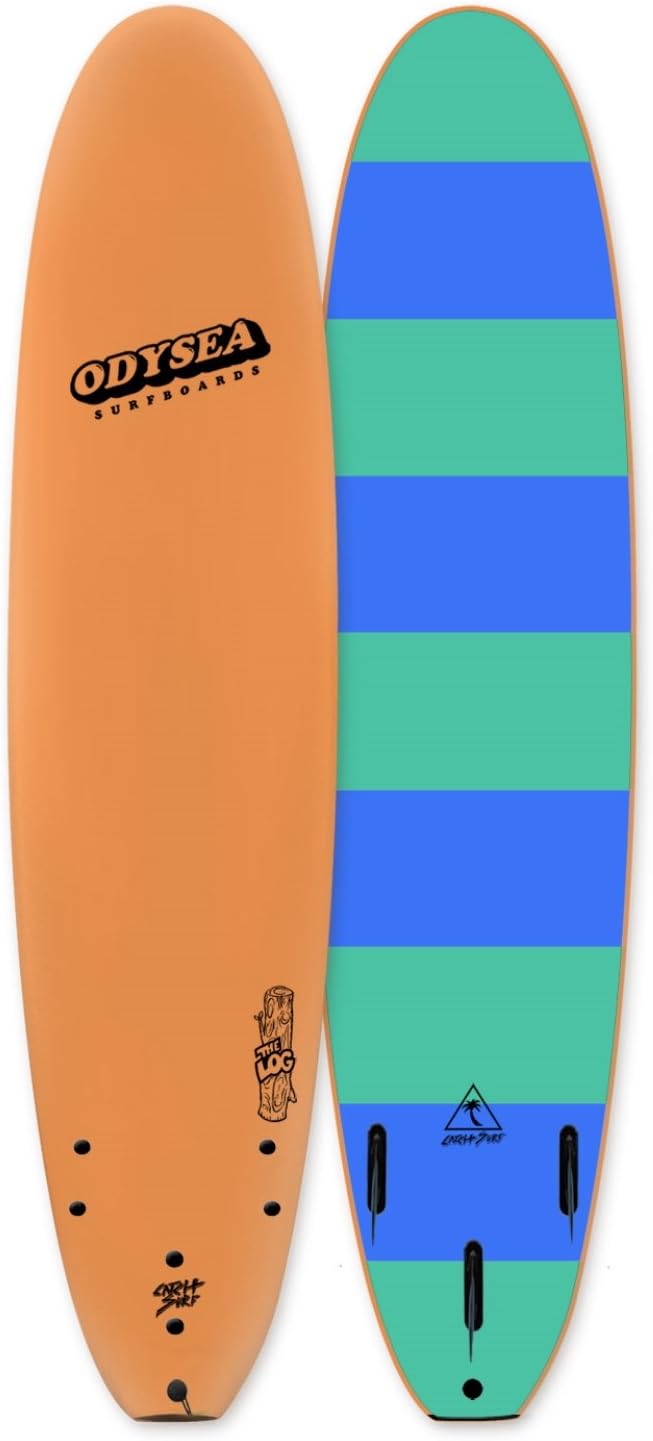
The Odysea Log is what happens when a foamie grows up — the slick high-density bottom skin actually planes and the removable fins let you tune the ride. It paddles in early and noses through whitewater, but it’s loose enough that intermediates can throw it around on real waves. It costs more than a Wavestorm, and it earns it. Our favorite foamie for surfers who want to progress without buying a hard board yet.
South Bay Board Co. Heritage 9'
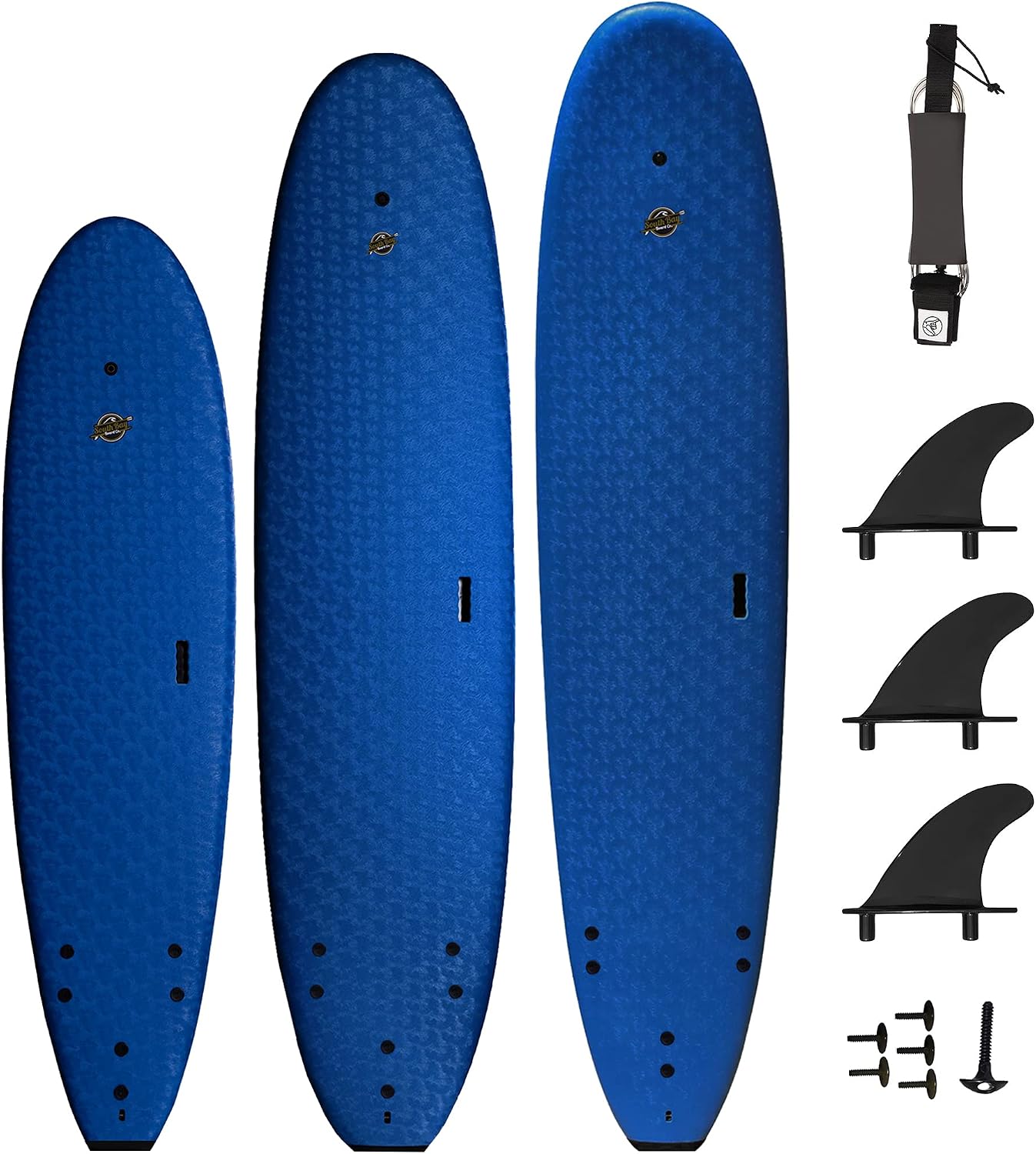
If you want true longboard glide with foam-board safety, the Heritage 9′ is the move. The EPS core and real fin boxes make it feel closer to a hard log than a beginner foamie, and the wood-grain finish looks the part in the lineup. It’s heavy and a handful to carry, but on knee-to-chest-high days it noserides beautifully. See how it stacks up against hard logs in our longboard guide.
Degree33 Ultimate Longboard Soft-Top
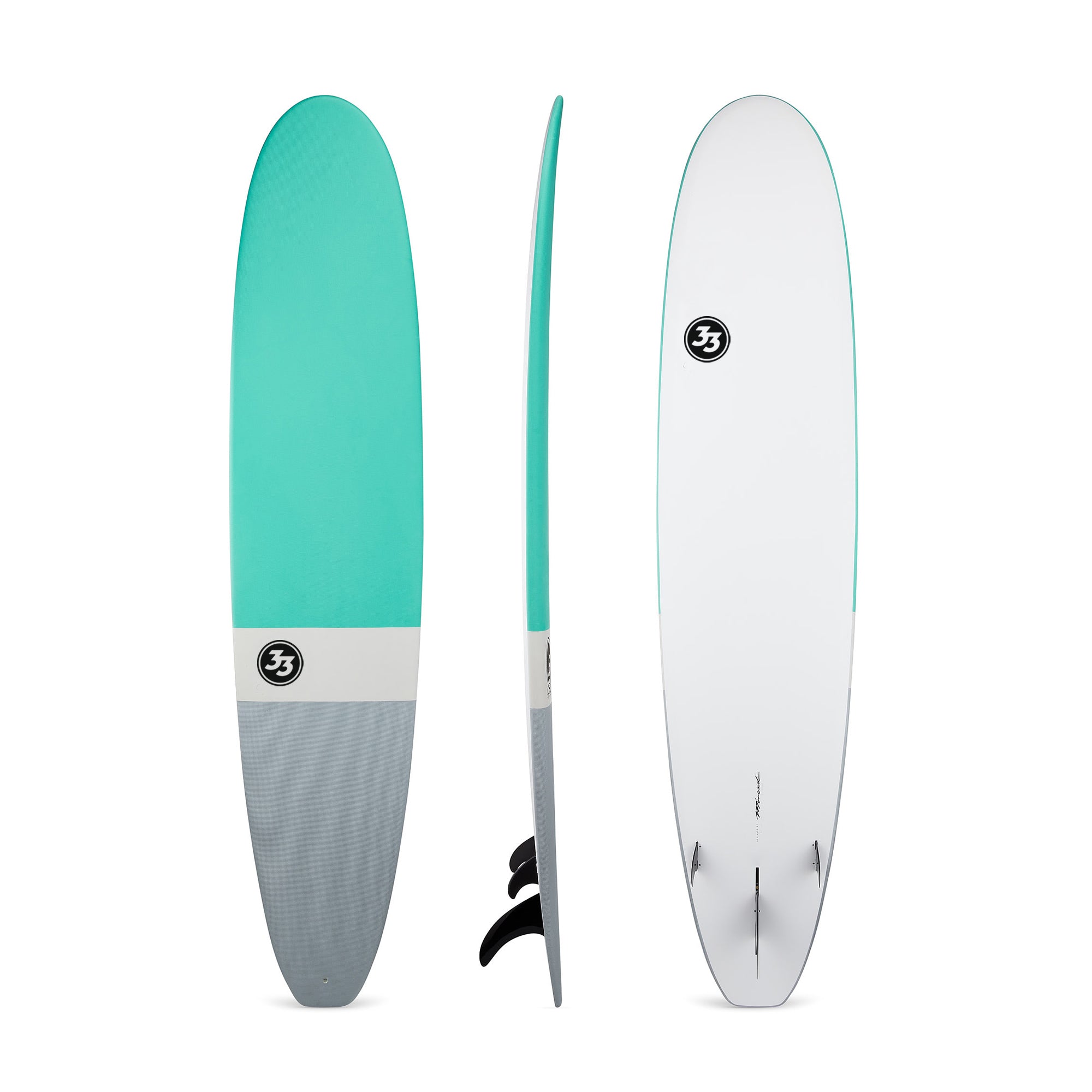
Degree33’s Ultimate blurs the line between foamie and hard board — it has the soft, ding-resistant deck on top but an epoxy-reinforced hull underneath that holds a line on bigger faces. That hybrid build means it costs more and feels less squishy, which is exactly the point if you’ve outgrown a basic foamie. It’s our pick for the surfer who’s halfway to a real board. Curious about the materials? Read our construction breakdown.
Ocean & Earth Ezi-Rider
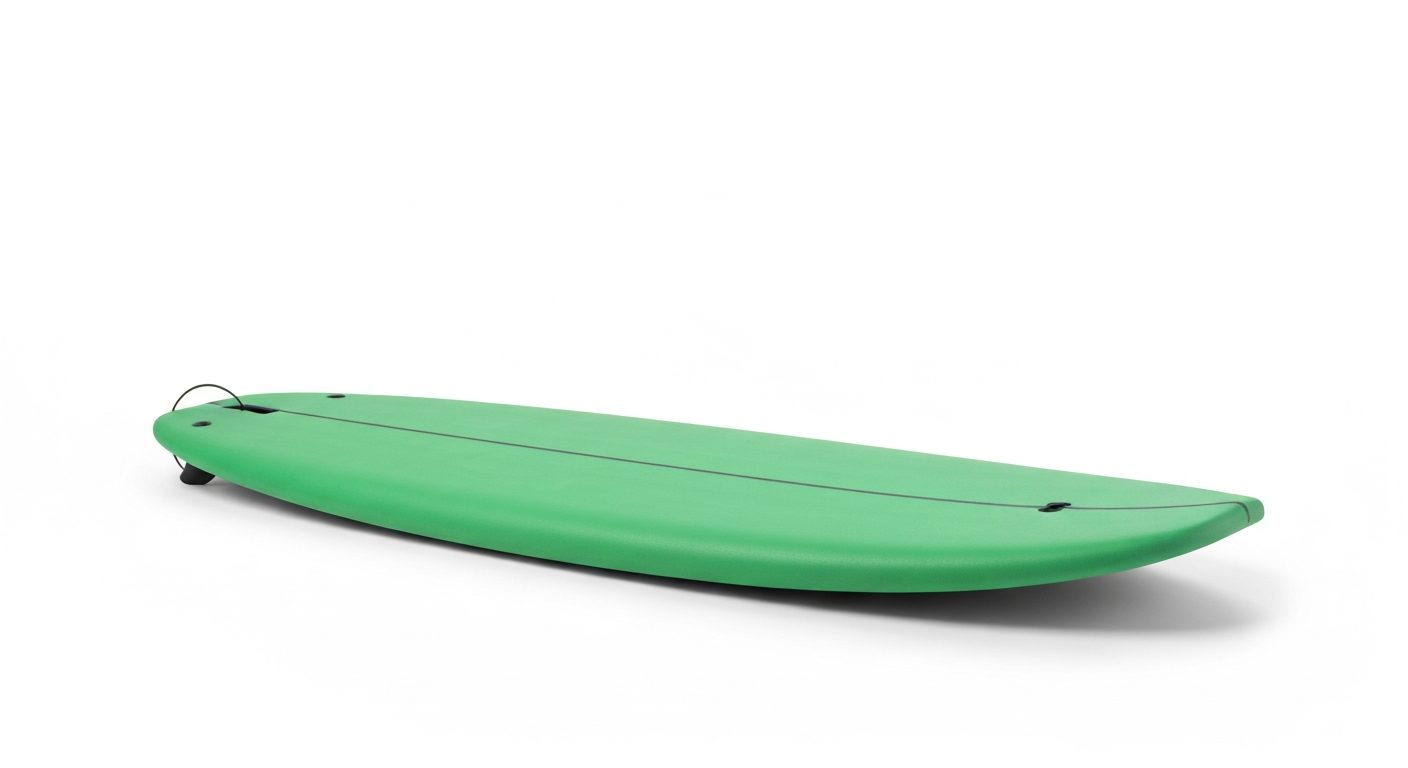
Ocean & Earth has been making surf hardware for decades, and the Ezi-Rider shows it — the rail reinforcement and stringer layout are a notch above the discount foamies. It’s not the cheapest, but it’s the one we’d bet on surviving a few seasons of grommet abuse. The shape is a touch narrow, so heavier surfers should size up. A quiet overachiever that rarely gets the credit it deserves.
Isle Coronado Soft-Top
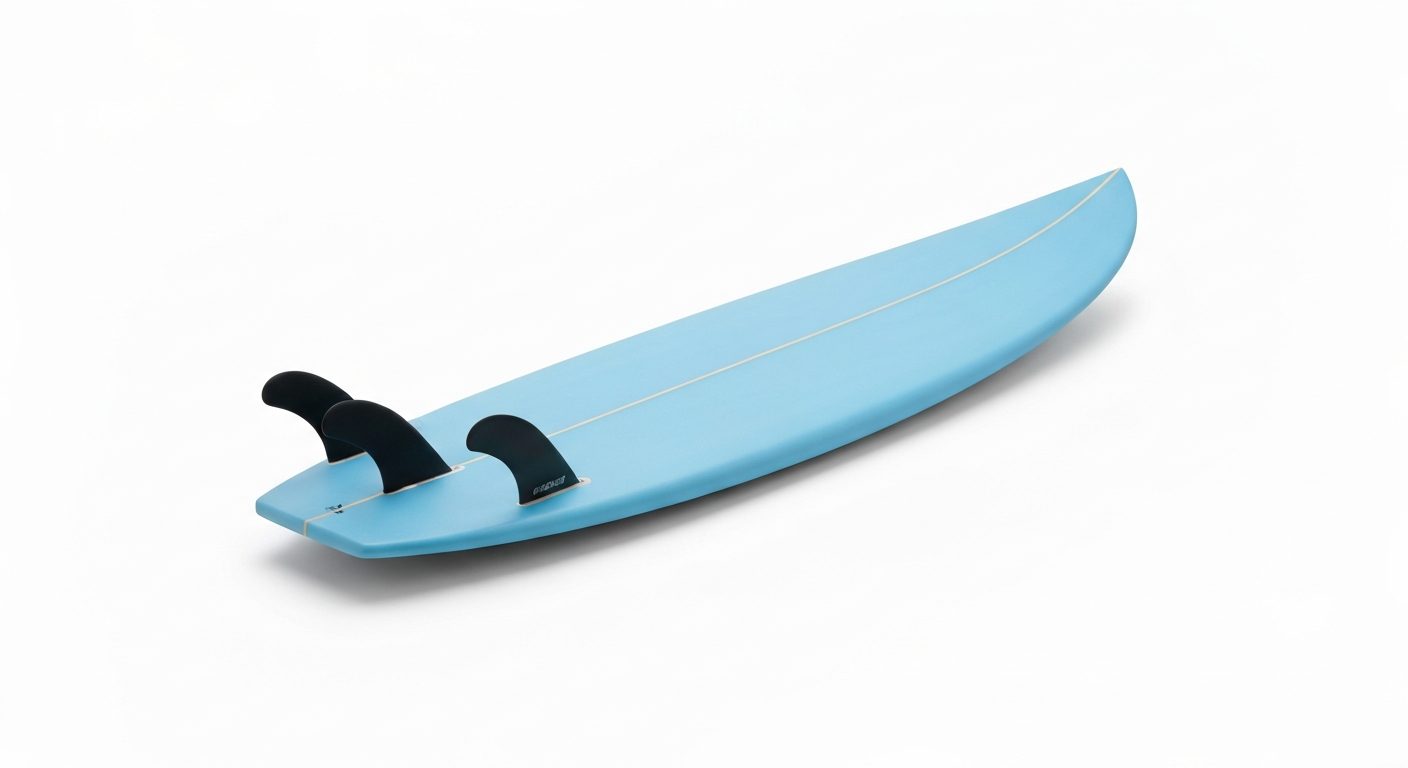
The Coronado is the most board-like soft-top here — an epoxy-glassed core with just a cushioned deck for comfort and safety. That makes it the priciest pick and the least “foamie” feeling, which is great if you want hard-board performance with a forgiving top. It’s overkill for a first-timer but ideal as a step-up. Not sure where it fits? Our board types guide maps it out.
How we tested
We don’t rank boards from a spec sheet. Every foamie on this list was paddled out in real conditions — mushy beach break, the odd chest-high day, and plenty of whitewater — by riders ranging from total first-timers to surfers with decades in the water. We weighed each board for paddle speed, how early it catches, stability under your feet, and how well it holds a line once you’re up.
We also abuse them. Foam boards live or die by durability, so we tracked deck dents, delamination, fin-box integrity, and how the slick bottom held up after months of sand and sun. Price-to-value mattered too: a $150 board and a $600 board are judged against very different expectations.
Why a soft-top is the smartest first board
If you’re learning, a soft-top is almost always the right call. The foam deck means a board to the head is a bruise, not a trip to the ER — and that goes for everyone else in the lineup too. They’re high-volume and stable, so you’ll catch waves on day one instead of falling off for a month. And they’re cheap enough that the inevitable dings won’t break your heart.
- Safer: soft rails and deck protect you and others in crowded water.
- More forgiving: high float means easy paddling and easy pop-ups.
- Cheaper to start: a third of the price of a glassed board.
- Low maintenance: no fragile glass to crack on the rocks.
Plenty of experienced surfers keep one around for tiny days and for loaning to friends. A foamie isn’t just a beginner board — it’s the most fun-per-dollar board in the quiver.
Foam construction explained: IXPE, EPS, slick bottoms and stringers
Not all foamies are built the same, and the differences explain the price gaps on this list. The two core elements are the foam blank and the skins glued to it.
- EPS core: expanded polystyrene — the same lightweight foam inside epoxy boards. Stiffer and livelier, used in the better foamies and step-ups.
- IXPE / XPE deck: the soft, closed-cell foam on top that gives the board its cushioned, grippy feel and ding resistance.
- Slick (HDPE) bottom: a smooth high-density plastic skin on the hull. A good slick bottom planes and glides; a cheap soft bottom drags.
- Stringers: wood or composite rods running nose-to-tail that stop the board flexing into a banana. More and stiffer stringers mean better performance — the best foamies run two or three.
Cheaper boards skip the slick bottom and use fewer stringers, which is why a Wavestorm rides differently than an Odysea Log. For a deeper dive on materials, see our foam vs epoxy vs fiberglass guide.
Sizing a soft-top for your weight
Soft-tops work because they float you well, so don’t go short to look cool — volume is your friend. As a rough starting point, beginners want a board with plenty of length and thickness for their bodyweight. Most adults learning are best on an 8-footer; lighter surfers and kids can drop to 6’–7′, while heavier riders or those who want maximum glide should look at 9-foot longboard foamies.
If you want exact numbers, run your height and weight through our surfboard size and volume calculator — it’ll give you a target liter count to match against the specs above.
Soft-top vs hard board: when to upgrade
The honest answer: when the foamie starts holding you back, not before. If you’re consistently catching waves, popping up cleanly, and trying to turn but the board feels mushy and slow to respond, you’ve outgrown it. That’s usually after a season or two of regular surfing.
Hard boards (epoxy or fiberglass) are faster, more responsive, and let you actually carve — but they’re less forgiving, more expensive, and easier to ding. A good middle step is one of the epoxy-core soft-tops on this list, like the Isle Coronado or Degree33 Ultimate, which give you more performance without abandoning the safety net. When you’re ready to make the jump, our main surfboard guide covers the full range.
Caring for a foam board
Foamies are low-maintenance, but a little care doubles their life. The biggest killer is heat: leaving a soft-top in a hot car or face-up on a sunny beach can bubble the deck and delaminate the skins. Keep it in the shade and don’t store it against a hot wall.
- Rinse off salt and sand after each session — grit works into the rails over time.
- Store flat or on rails, out of direct sun, never leaning on the fins.
- Patch dings quickly with a bit of marine-grade tape; foam soaks up water once the skin is breached.
- Loosen your leash and fins for transport so nothing torques the box.
Treat it right and even a budget foamie will give you years. Surf responsibly and respect the lineup — groups like Surfrider Foundation are worth supporting to keep those breaks clean.
Frequently Asked Questions
Are Wavestorm surfboards any good?
Yes — for what they are. The Wavestorm is the best-selling surfboard in America because it’s cheap, floaty, and catches waves easily, which is exactly what a beginner needs. The triple wood stringers keep it stiffer than most budget foamies. It won’t carve like a hard board and it’s heavy, but for learning to pop up and stack waves, it’s genuinely hard to beat the value.
What's the difference between a foamie and an epoxy board?
A foamie (soft-top) has a soft, cushioned foam deck and is built for safety, float, and forgiveness — ideal for learning. An epoxy board has a hard, glassed shell that’s faster and far more responsive, letting you actually turn and carve, but it’s less forgiving and easier to ding. Some boards, like the Isle Coronado, blend the two: an epoxy core under a soft deck.
Are soft-top surfboards good for intermediates?
Many are. While basic foamies feel limiting once you can turn, performance soft-tops like the Catch Surf Odysea Log or Degree33 Ultimate are loose and responsive enough for intermediates to throw around on real waves. Plenty of advanced surfers also keep a foamie for small, sloppy days. The slick-bottom, multi-stringer models are the ones worth a look if you’ve progressed past the basics.
How long do foam surfboards last?
With reasonable care, a quality foamie lasts several years of regular surfing. The main enemies are heat — which bubbles and delaminates the deck — and water intrusion through unpatched dings. Cheaper boards with weaker skins wear faster, while better-built models like the Ocean & Earth Ezi-Rider hold up through years of abuse. Rinse off salt, store out of the sun, and patch dings quickly to maximize lifespan.
Can you surf real waves on a soft-top?
Absolutely. While foamies are famous as learner boards, performance models handle chest-high and bigger waves comfortably, and longboard soft-tops like the South Bay Heritage noseride genuinely well. Pros have even ridden foamies in serious surf as a stunt. For most people, a good soft-top will handle everything from whitewater up to head-high days — well beyond what beginners ever expect.
Soft-top vs hard board — which should I buy?
If you’re learning or surf mostly small, mushy waves, buy a soft-top — it’s safer, cheaper, and catches more waves. If you can already pop up consistently and want to carve and progress, a hard board (or an epoxy-core soft-top step-up) makes sense. Many surfers own both: a foamie for fun small days and a hard board for when the surf turns on.