
Best Longboard Surfboards of 2026
We tested the longboards worth paddling out on in 2026, from forgiving beginner logs to glide-happy noseriders.
See the top picks →A good longboard is the most fun board most of us will ever own. It catches more waves, forgives more mistakes, and turns a knee-high mush day into something genuinely worth surfing. Below are the five longboards we keep coming back to, ranked for honest, real-world surfing rather than spec sheets.
At a Glance
| Surfboard | Best for | Specs | Price |
|---|---|---|---|
| South Bay Board Co. Heritage 9' | Best Beginner Longboard | 9'0" soft-top, ~86L, triple stringer, 3-fin | $700-$800 |
| Degree33 Ultimate Longboard | Best Performance Hybrid | 9'0" epoxy, ~70L, 2+1 fin setup | $650-$750 |
| Catch Surf Odysea Log 8' | Best Foam Log | 8'0" soft-top, ~86L, tri-fin (thruster) | $300-$400 |
| Wavestorm 8' Classic Soft-Top | Best Budget Longboard-Style | 8'0" soft-top, ~85L, tri-fin | $150-$250 |
| Isle Coronado Soft-Top | Best Epoxy Step-Up | 8'0" epoxy core, soft deck, tri-fin | $450-$550 |
The Top Picks, Reviewed
South Bay Board Co. Heritage 9'
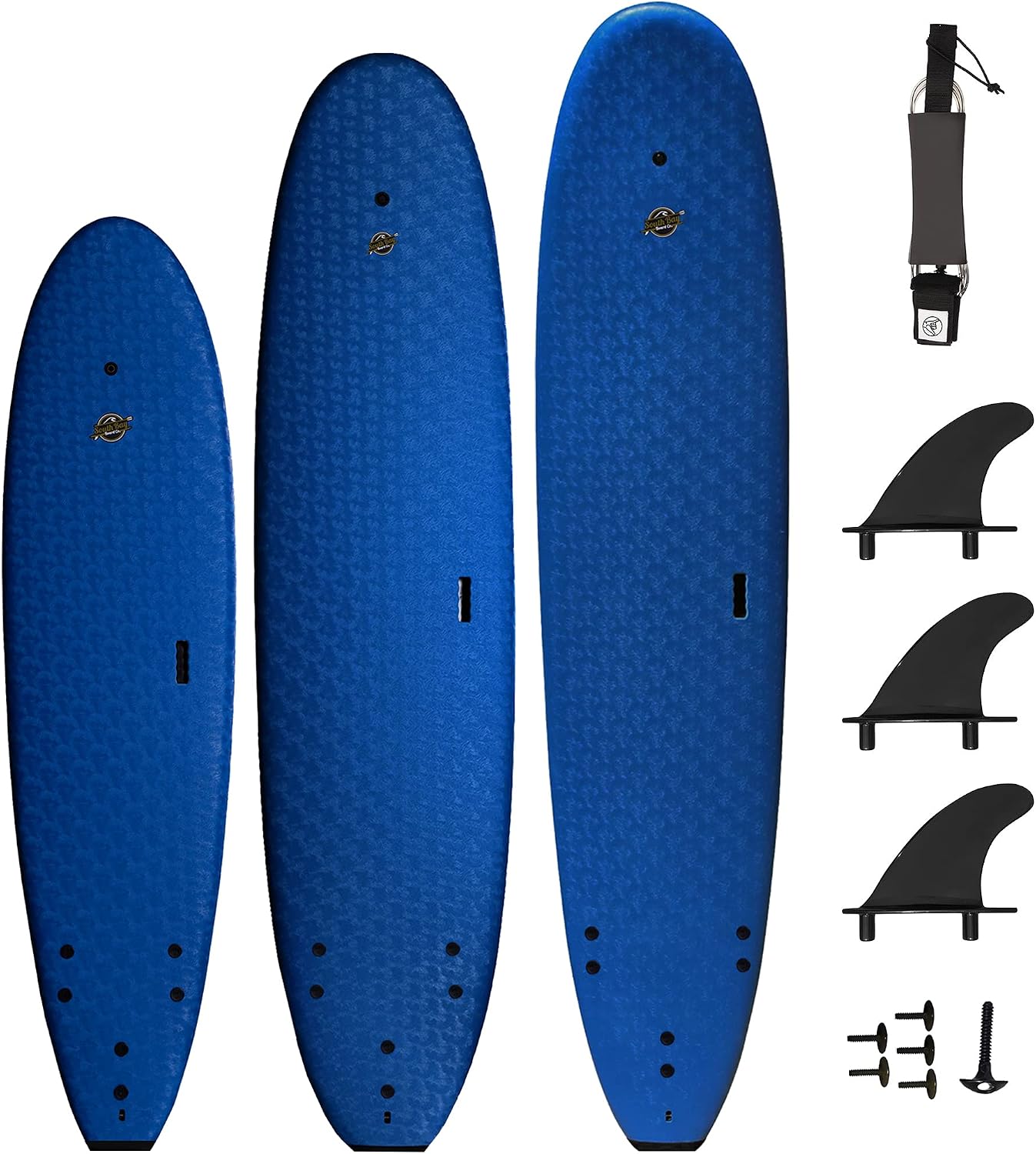
This is the board we hand to anyone learning, and the one plenty of intermediates keep around for small days. The soft deck is gentle on shins and chests, but the triple wood stringer and slick HDPE bottom give it real glide and enough stiffness to trim, not just flop. It is the rare beginner board you do not outgrow in a month. If you are brand new, pair it with our best beginner surfboards guide for the full picture.
Degree33 Ultimate Longboard
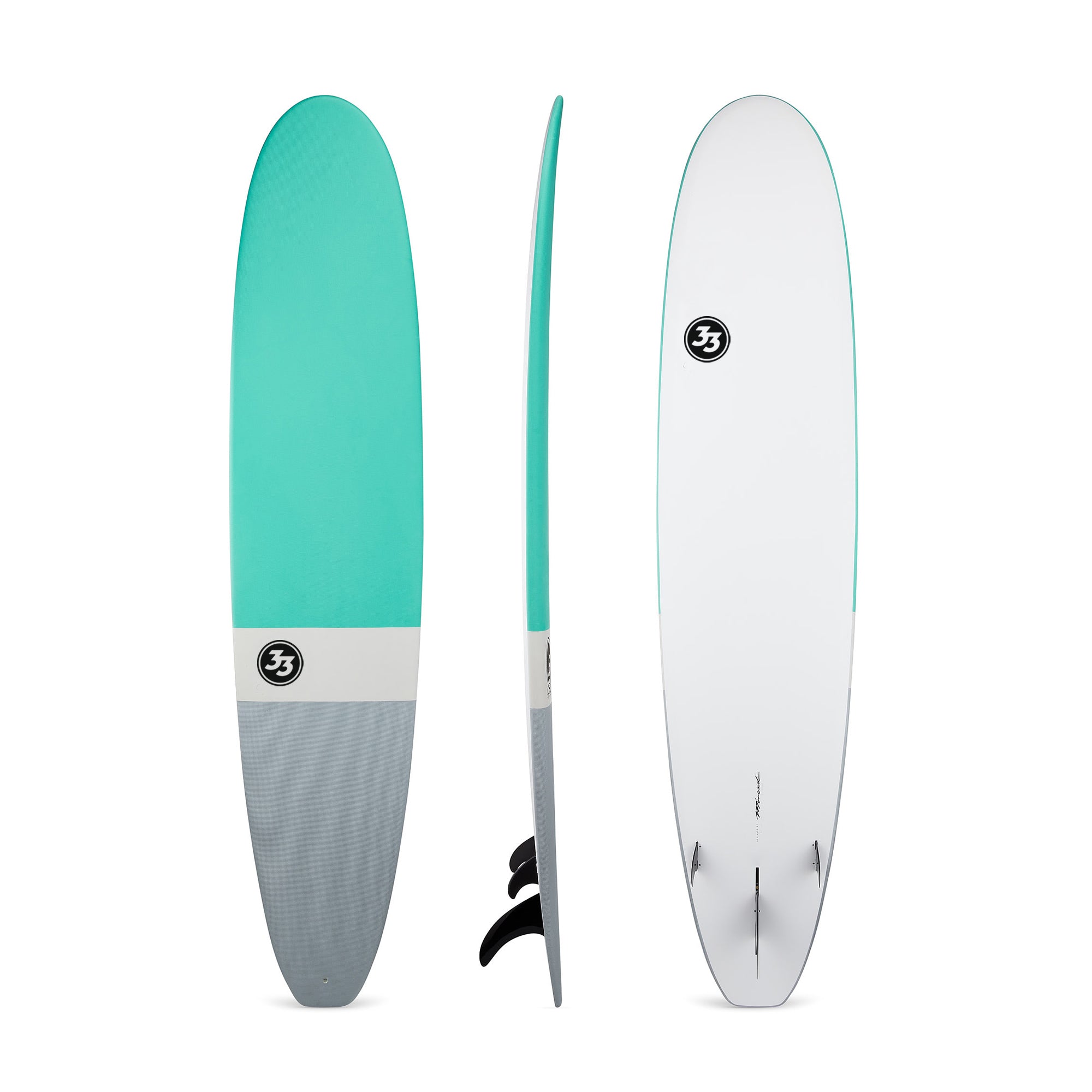
For surfers who want to actually maneuver a longboard, the Ultimate splits the difference between a cruisy log and a high-performance shape. The epoxy construction is light and lively, and the 2+1 setup lets you run it as a single-fin nose machine or add side bites for drive off the bottom. It demands a little more skill than a foamie, but it rewards you with proper turns and clean trim.
Catch Surf Odysea Log 8'
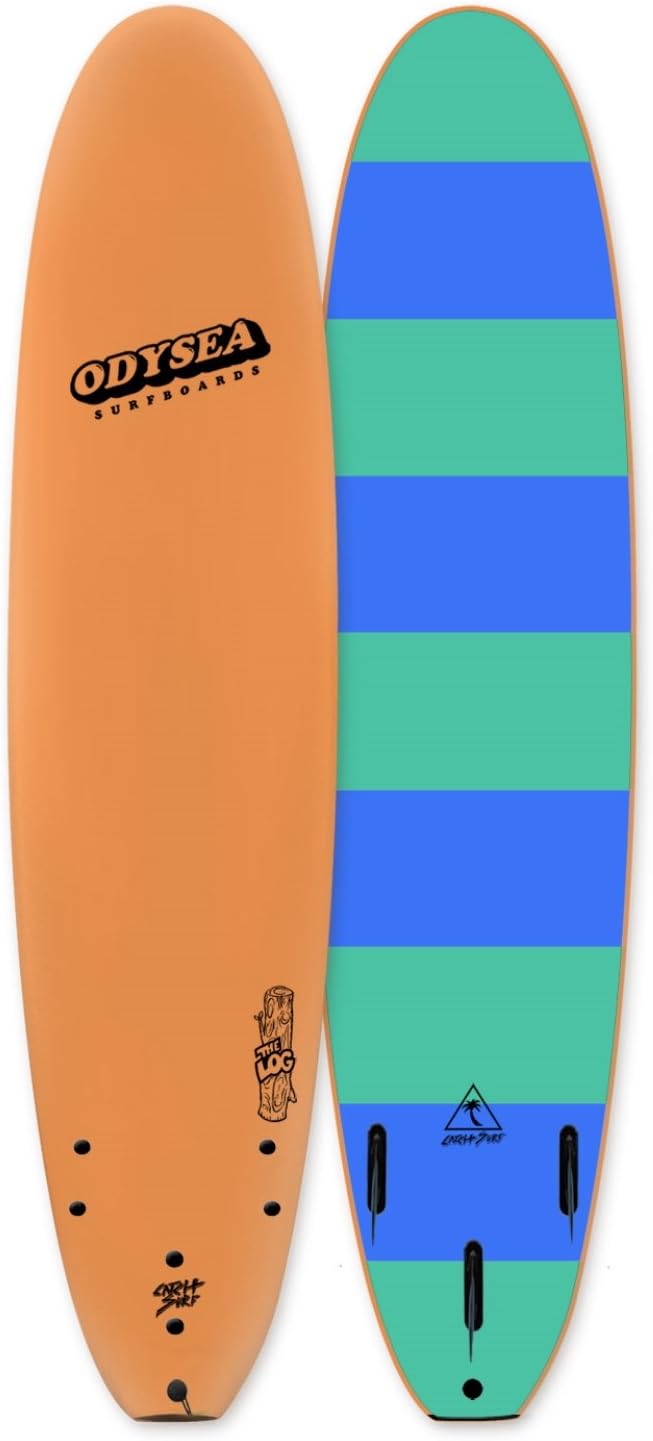
The Odysea Log is the foamie that surfers who can already surf actually want to ride. It is bouncy, fast, and nearly indestructible, which makes it perfect for crowded summer beach breaks and shared waves. At 8 feet it is shorter and more playful than a true 9-foot log, so it is easier to duck, turn, and travel with while still floating you onto everything.
Wavestorm 8' Classic Soft-Top
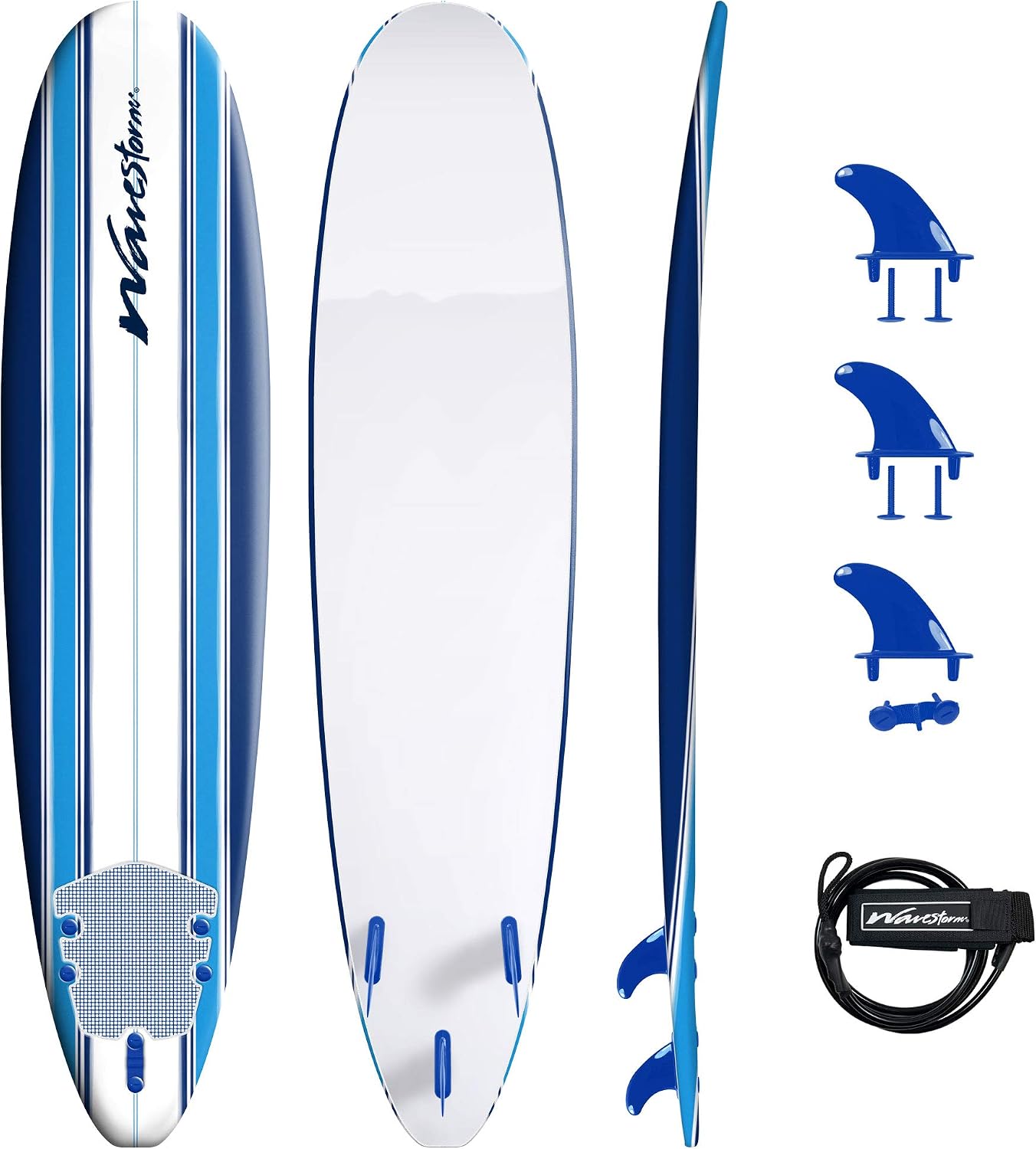
The Wavestorm is the board that got an entire generation surfing, and for good reason. It is cheap, floaty, and shrugs off being thrown in a truck bed or dropped on rocks. Do not expect crisp performance or a board that lasts a decade, but as a first board or a beater for mushy days, the value is unbeatable. See where it lands in our best soft-top surfboards roundup.
Isle Coronado Soft-Top
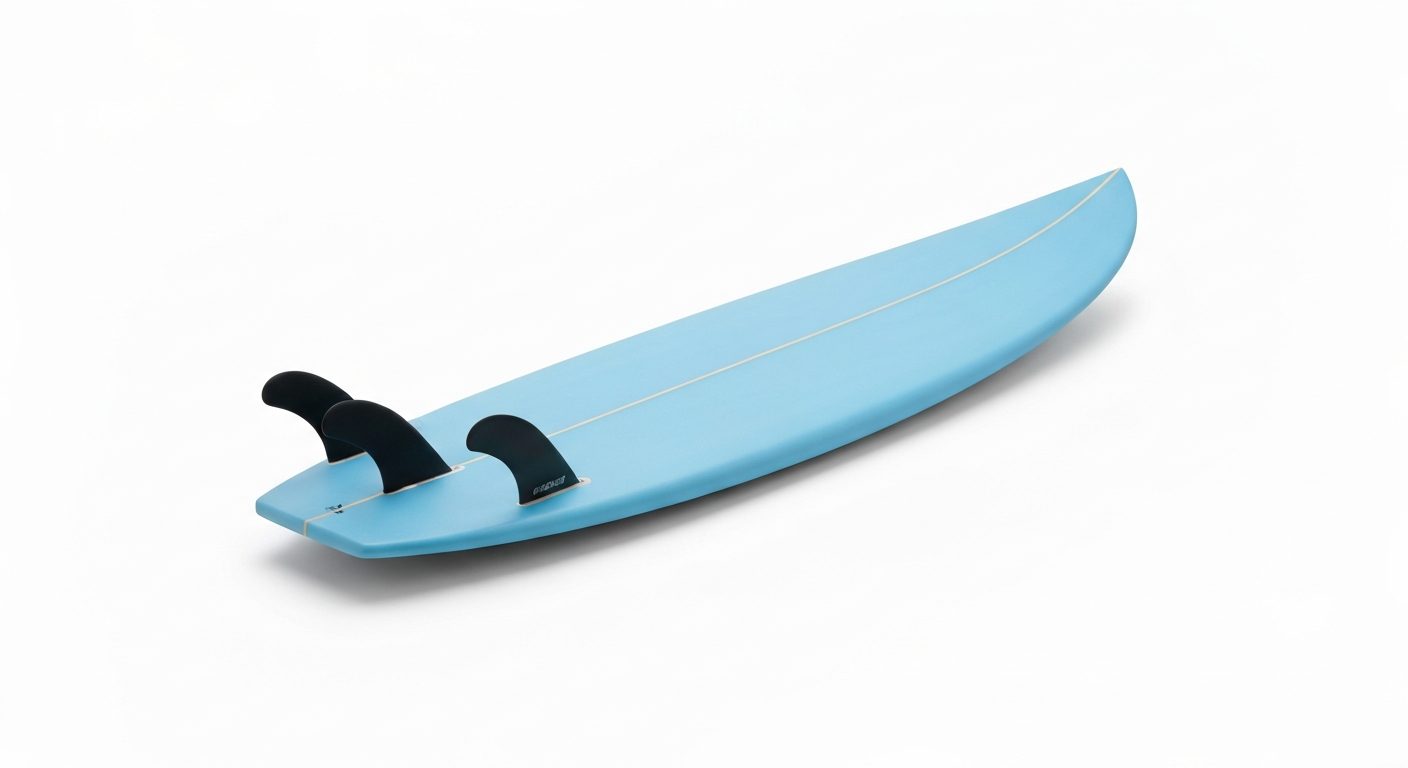
The Coronado is a soft-top with an epoxy core, so it paddles and trims more like a hard board while keeping a forgiving deck. That makes it a smart step up for surfers who have outgrown a pure foamie but are not ready to give up the durability and safety of a soft top. It tracks straighter and holds a line better than the cheaper foamies, which you feel the moment a wave has some push.
How we ranked these longboards
We do not rank boards from a spreadsheet. Every longboard on this list we have surfed, owned, or paddled out next to enough times to know how it actually behaves once a wave stands up. We weight three things heavily: how easily it catches and holds a wave, how forgiving it is when you make a mistake, and how much fun it is to ride day after day.
We also factor in who the board is really for. A board that is perfect for a first-timer is rarely the right pick for someone chasing nose time, so we sorted these by job rather than forcing a single winner. Price matters too, but value only counts when the board genuinely performs.
What makes a great longboard: length, rocker, and nose shape
Three design traits define how a longboard feels. Length is the obvious one: more rail in the water means more paddle speed, more stability, and earlier wave entry. Most longboards live between 8 and 9’6″, and the longer end is where true logs sit.
Rocker, the curve from nose to tail, is the quiet hero. A flatter rocker (less curve) paddles faster and trims forever, which is exactly what you want for glide and noseriding. More rocker makes a board turn tighter but paddle slower and bog on flat sections.
- Flat rocker, wide nose: classic noseriding and small-wave glide.
- Moderate rocker, pulled-in nose: a performance or hybrid feel with more maneuverability.
- Wide tail: stability and lift; narrow tail: easier rail-to-rail turns.
The nose shape tells you the board’s intent. A wide, full nose plants you up front for hang-fives and hang-tens. A narrower nose trims cleaner but is not built for walking. For more on how these shapes relate to other boards, see our surfboard types explained guide.
Foam vs epoxy and fiberglass longboards
This is the first real fork in the road. Soft-top (foam) longboards are durable, safe, and floaty. They forgive sloppy technique, they do not ding when they hit you or the sand, and they catch waves with almost no effort. The tradeoff is that most foamies feel a little dead and slappy once a wave has real power, and they do not hold a high-speed line as cleanly.
Epoxy and fiberglass longboards are stiffer and livelier. They trim faster, hold their line in steeper waves, and reward good footwork with proper drive. They are also more fragile, more expensive, and less friendly to your shins. Traditional PU (polyurethane) fiberglass logs have a classic, dampened glide that many longboarders chase; epoxy is lighter and more responsive.
Sizing and volume for a longboard
Longboards are forgiving on size, which is part of their magic, but you can still go wrong. The two numbers that matter are length and volume (measured in liters). Volume is what floats you and determines how easily you paddle and catch waves; more volume is more forgiving.
As a loose starting point, a beginner wants plenty of float, often well above their bodyweight in liters. A confident surfer can ride less. Most adult longboards land between 65 and 90 liters, and a 9-foot log will sit at the high end of that range.
- Beginner: go long (9’+) and high volume for max stability and wave count.
- Intermediate: 8’6″ to 9′ with moderate volume for a balance of glide and control.
- Advanced noserider: a true 9’+ log, often single-fin, tuned for trim over turns.
Do not guess. Plug your weight and ability into our surfboard size chart and volume calculator to get a target volume before you buy.
Noseriding vs all-around logs
Not every longboard wants to do the same thing, and matching the board to the style you want matters more than buying the most famous shape. A noserider is built to let you walk to the front of the board and hang your toes over while the wave does the work. These boards have flat rocker, a wide nose, a heavy single fin, and often a concave under the nose to create lift. They are sublime in clean, peeling waves and clumsy everywhere else.
An all-around log or performance longboard sacrifices a little nose time for versatility. It turns more willingly, handles a wider range of conditions, and is more fun if your beach break is fast or sectiony. For most surfers, an all-around shape is the smarter first or second longboard; the dedicated noserider is the reward you buy once you know you love trim surfing.
What size waves is a longboard good for
Longboards shine in the waves most of us actually get: small, soft, and slow. From ankle-slappers up to chest-high, a longboard turns marginal days into great sessions because its glide carries you through flat spots that would stall a shortboard. This is exactly why we tell new surfers to start long.
As waves get bigger and steeper, longboards get harder to manage. The same length and float that make them so easy in small surf make them a handful in overhead, hollow waves, where they are slow to turn and prone to pearling on a late drop. There is no hard cutoff, but for most surfers a longboard is happiest from knee-high to a few feet overhead in clean conditions. For the bigger, punchier stuff, you want a different tool entirely, which is why we keep a quiver and why our best surfboards guide covers the rest.
Frequently Asked Questions
Is a longer surfboard easier to surf?
Yes, for most people a longer board is dramatically easier to surf. More length means more flotation and a longer rail line, so the board paddles faster, catches waves earlier, and feels more stable underfoot. That stability gives beginners the time to find their feet and learn the basics. The tradeoff is that long boards are slower to turn and harder to handle in big, steep waves, but for learning and for small surf, longer almost always wins.
What size waves is a longboard good for?
Longboards are at their best in small to medium waves, roughly from ankle-high up to a few feet overhead in clean conditions. Their glide carries you through soft, slow sections that would stall a shorter board, which makes them ideal for the average surf day. As waves get bigger, steeper, and hollower, longboards become harder to manage and more prone to pearling on the drop, so most surfers switch to a shorter board for serious size.
What size longboard should a beginner get?
A beginner should usually start with a board in the 8 to 9’6″ range with plenty of volume, often well above their bodyweight in liters. A bigger, floatier board catches more waves and stays stable while you learn to stand and trim. If you are an average-sized adult, a 9-foot soft-top log is a safe, forgiving default. Use a volume calculator with your weight and ability to dial in the exact size rather than guessing.
Are foam or fiberglass longboards better?
Neither is strictly better; they suit different goals. Foam soft-tops are durable, safe, floaty, and forgiving, which makes them ideal for beginners, crowded lineups, and low-maintenance fun. Fiberglass and epoxy longboards are lighter, livelier, and trim and turn with more precision, which advanced surfers and noseriders prefer. If you are learning or want zero hassle, choose foam. If you can already surf down the line and want true performance and glide, choose glass or epoxy.
Can you noseride a soft-top?
You can, but it is harder than on a dedicated noserider. Most soft-tops have flat rocker and good float, which helps, but they tend to be lighter and slappier and lack the heavy single fin and nose concave that a true noserider uses to lock in. You can absolutely walk the board and get to the nose on a good foamie like the Catch Surf Log, especially in clean small waves, but for consistent, planted nose time a proper glass log is the right tool.
How long is a longboard?
By the traditional definition, a longboard is any surfboard 9 feet or longer, which is also the minimum length for many longboarding competitions. In everyday use, the term stretches down to around 8 feet to include shorter logs and mini-longboards that ride with a similar style. Anything below roughly 7 feet is generally considered a funboard, mid-length, or shortboard rather than a true longboard.