
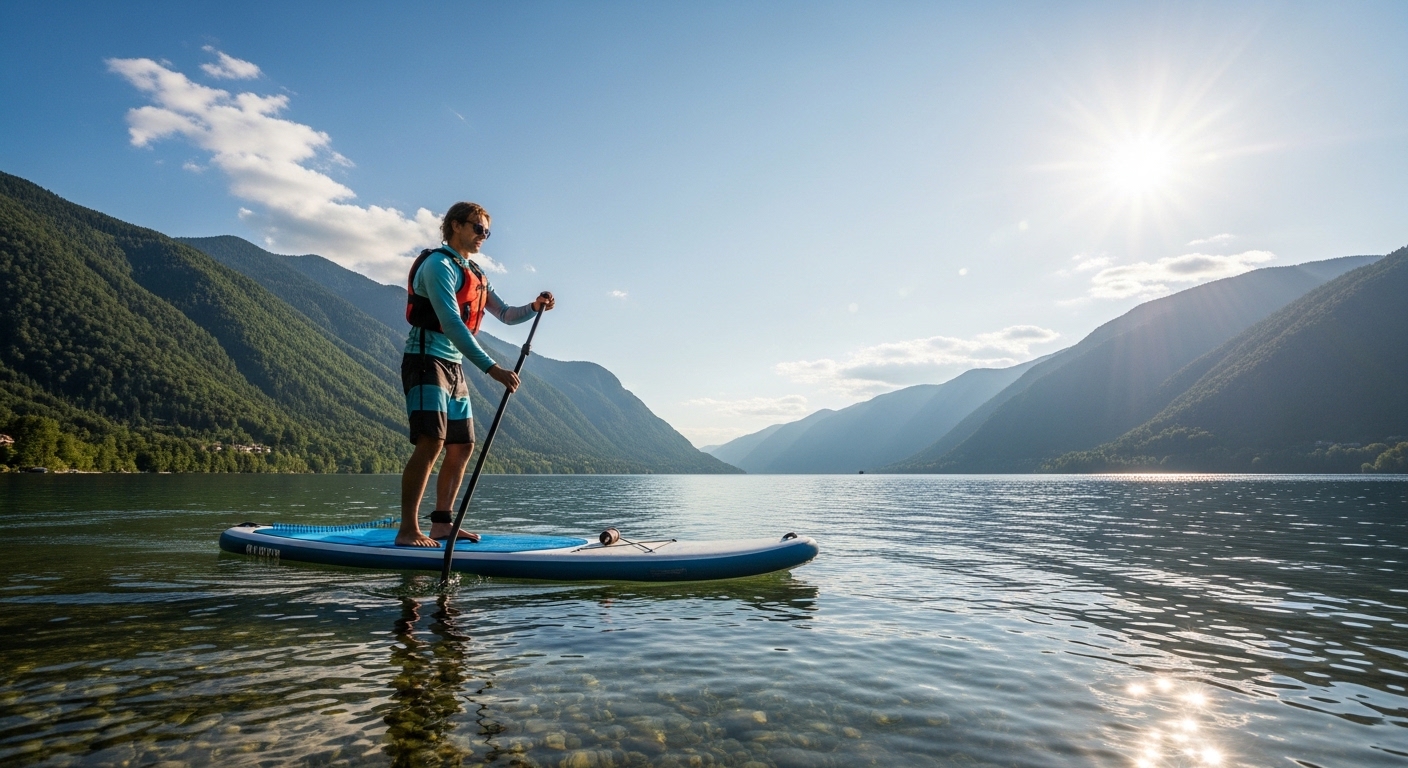
What Should I Wear Paddle Boarding?
What you wear on the water can be the difference between a great session and a dangerous one. Here's exactly what to put on before you launch.
ChecklistMost first-timers dress for the air temperature and end up in trouble the moment they fall in. Water pulls heat from your body 25 times faster than air at the same temperature. That single fact should drive every gear decision you make. Whether you’re paddling a warm Florida bay or a cold mountain reservoir, this guide covers what to wear paddle boarding so you stay safe, comfortable, and out on the water longer.
Dress for the Water Temperature, Not the Air
The 120-degree rule is the clearest shortcut in paddle boarding safety. Add the air temperature (°F) and the water temperature (°F). If that number is under 120, plan your outfit around the water. Most paddlers are shocked to learn that 65°F water — which sounds reasonable — is cold enough to trigger cold water shock on a 55°F spring morning.
- Water below 60°F: Drysuit or full 5mm wetsuit minimum.
- Water 60–70°F: 3mm full wetsuit or wetsuit top with neoprene bottoms.
- Water 70–80°F: 2mm shorty wetsuit or neoprene shorts with rash guard — your call based on session length.
- Water above 80°F: Standard swimwear works; a rash guard is still smart.
Check your paddle board checklist before every session and include a quick water temperature lookup — most weather apps now show it for local lakes and coastal areas.
Warm Weather Paddle Boarding Clothes
When the 120-degree rule gives you the green light to skip the wetsuit, comfort and sun protection take over as the main priorities.
- Boardshorts or swim trunks: Quick-dry synthetic fabric only. Look for a secure waistband — you will fall in at some point, and a lost pair of shorts in open water is not the emergency you want.
- Bikini or one-piece swimsuit: Both work well. One-piece suits tend to stay put better during falls. Board shorts over a swimsuit bottom is a practical combo for women who want coverage.
- Rash guard: A lightweight long-sleeve rash guard (UPF 50+) is one of the single best upgrades you can make for warm-water paddling. It protects your arms, shoulders, and back from direct sun without adding heat. Tight-fitting styles don’t bunch under a life jacket. Most paddlers who start wearing one never go back to bare skin.
- UV sun shirt: Looser and more breathable than a rash guard, a sun shirt is ideal for casual touring or beach-to-beach trips. Look for UPF 50+ and a hood if you run hot.
If you’re still getting your footing on the water, review how to paddleboard so you know how often beginners actually fall — and plan your outfit accordingly.
Cool and Cold Weather Paddle Boarding Clothes
Once temperatures drop, the layering principle applies to paddle boarding just like any other outdoor sport — but with one important difference: every layer needs to function when wet.
- Wetsuit: The workhorse of cold-water paddling. A full-length 3mm wetsuit handles most three-season paddling in temperate climates. Go to 5mm for sustained cold water below 55°F. Wetsuits work by trapping a thin layer of water against your skin that your body warms up — they only work if the fit is snug, so buy one that fits correctly, not the next size up for comfort.
- Drysuit: For very cold water (under 50°F) or extended trips in conditions where immersion is a real risk. A drysuit keeps you completely dry. You wear thermal base layers underneath. They are expensive but worth it if you paddle year-round in cold climates.
- Neoprene jacket or top: Good for mild shoulder-season days when a full wetsuit feels like overkill. Pair with neoprene shorts or wetsuit bottoms.
- Base layers: Under a drysuit, merino wool or synthetic thermal layers regulate temperature well. Never wear cotton (more on that below).
- Gloves and hood: Extremities go numb fast. 2–3mm neoprene gloves and a hood can extend a cold-water session significantly and reduce the cognitive impact of cold that affects decision-making on the water.
Sun Protection: The Gear You'll Forget Until You Regret It
Reflective glare off the water doubles your UV exposure. A full day on the water without sun protection is a reliable way to end a paddling season early. These three items should be non-negotiable on every session:
- Hat: A wide-brim hat protects your face, ears, and neck — the spots that burn first. Look for UPF-rated fabric and a chin strap or a snug fit. A hat that blows off every hour is more frustrating than useful. Bucket hats and baseball caps both work; wide-brim wins for full-day trips.
- Polarized sunglasses with a strap: Polarized lenses cut glare off the water and let you see hazards — submerged rocks, shallow areas, other paddlers — that non-polarized glasses miss. A secure strap (or floating cord) is mandatory, not optional. Good SUP sunglasses stay on your face when you fall, not floating ten meters away.
- Reef-safe SPF sunscreen: Apply it everywhere — face, neck, backs of hands, tops of feet, and any exposed scalp. Reef-safe formulas (zinc oxide or titanium dioxide) are now required in many paddling destinations and are less harmful to aquatic ecosystems. Reapply every 90 minutes on the water; sweat and splashing accelerate breakdown.
Footwear Options for Paddle Boarding
The right footwear depends on where you’re launching, what the bottom looks like, and how cold the water is.
- Barefoot: The default for warm-weather flatwater paddling from a sandy beach. Most people prefer the grip and board feel of bare feet on a textured EVA deck pad.
- Water shoes: Thin-soled amphibious shoes are ideal for rocky launches, gravel beaches, or any put-in where you need to walk a distance before getting on the board. They drain quickly and provide enough grip without adding bulk.
- Neoprene booties: The cold-water choice. 3mm booties keep your feet functional in cold water — numb feet mean poor balance and slow reaction time. Look for a split-toe design for better deck grip. They also protect against sharp oyster shells and rocky tidal zones.
- What to avoid: Flip-flops (they fall off), heavy sneakers (they waterlog and become weight), and anything with a hard sole that can scratch or damage a soft board.
What NOT to Wear Paddle Boarding
A few choices that seem reasonable on land become genuinely hazardous on the water:
- Cotton — anything cotton: T-shirts, cotton shorts, denim. Cotton absorbs water, gets heavy, loses all insulating value, and takes forever to dry. In cold water, a soaked cotton shirt actively accelerates heat loss. Leave it on shore.
- Heavy clothes of any kind: Anything that adds significant weight when wet creates drag and fatigue if you go in. This includes heavy sweatshirts, jeans, or bulky jackets not designed for water use.
- Restrictive or loose clothing: Anything that limits your range of motion affects your paddle stroke. Loose, baggy clothing also catches wind and can tangle during a fall.
- Jewelry with snag risk: Long necklaces and dangling earrings can catch on equipment or create a hazard during rescue situations. Keep it minimal.
- Skipping the PFD: A life jacket isn’t technically clothing, but it belongs on this list because too many people leave it on the board instead of wearing it. US Coast Guard regulations require a wearable PFD for every person on a paddle board. Wearing it is the point — not having it strapped to your board. Review the full breakdown in our life jacket rules guide.