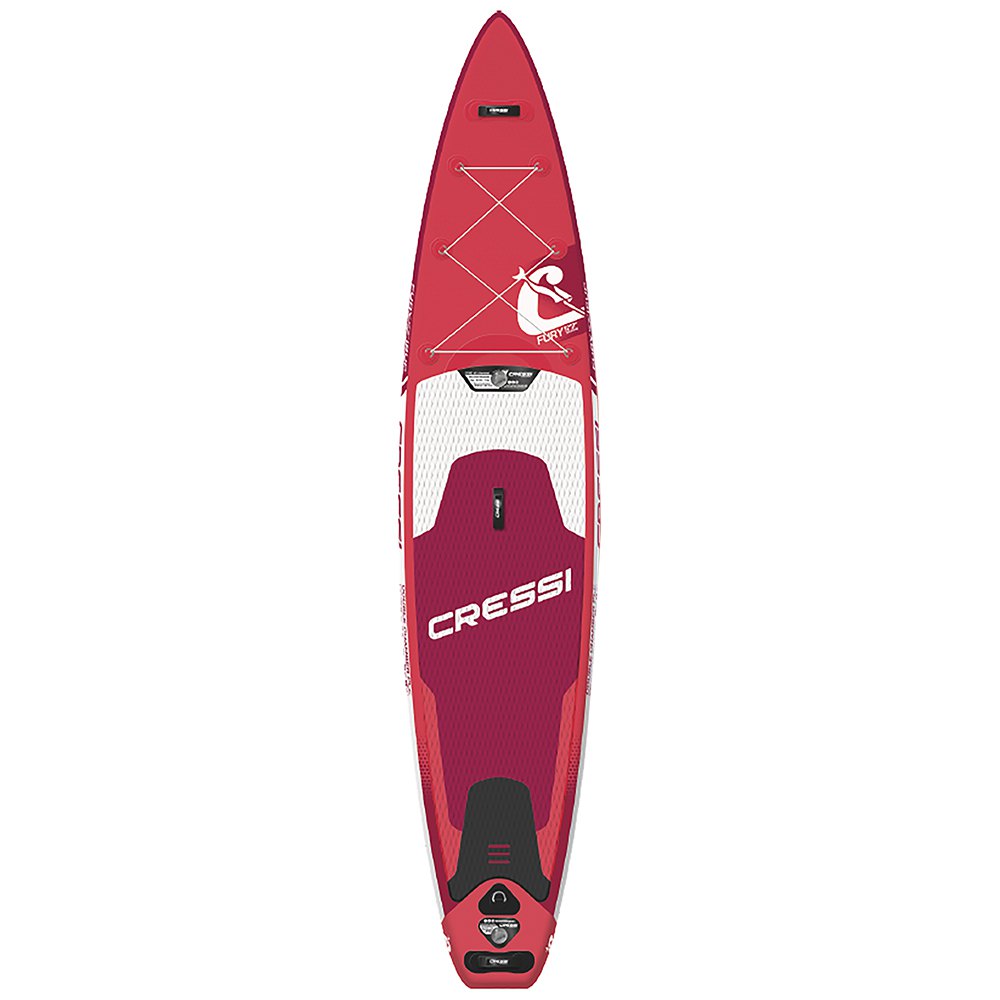

Rackham Aero 11ft Review
The Rackham Aero 11’ is one of the most stable inflatable paddle boards on the market—a purpose-built fishing and adventure platform that puts confidence on the water above everything else.
After spending time on the Rackham Aero 11’, the verdict is clear: this board is exceptional for fishing, gear-heavy paddling, and bigger riders who need a stable, no-drama platform—but you’ll pay for that stability with extra weight and a slower ride.
Specs & Build
The Rackham Aero 11’ is built around a single principle: maximum stability. At 11 feet long and a full 35–36 inches wide, this board sits in a category of its own—closer to a floating platform than a traditional SUP. Here’s how it stacks up on paper:
| Spec | Detail |
|---|---|
| Length | 11’ 0” |
| Width | 35–36 inches |
| Thickness | 6 inches |
| Weight | ~28–32 lbs (board only) |
| Max Capacity | 350+ lbs |
| D-Rings | Multiple (bow, stern, deck) |
| Construction | Dual-layer drop-stitch PVC |
| Recommended PSI | 15–20 PSI |
| Fins | Tri-fin setup (removable center) |
The dual-layer construction is the real story here. Rackham wraps the core drop-stitch bladder in two layers of military-grade PVC, which gives the deck an almost board-like rigidity when inflated to 15 PSI or above. Press your heel into the center of the board and it barely flexes—that matters a lot when you’re standing still, casting a line, or loading up a dry bag and cooler. The D-ring count is generous: front bungee cargo area, rear cargo bungee, and multiple side D-rings purpose-built for kayak seat mounts or leash attachments. This is a board designed by someone who actually wanted to fish from it.
Stability & On the Water
Let’s be direct: the Rackham Aero 11’ is the most stable inflatable SUP most paddlers will ever stand on. That 35–36 inch width changes everything. First-timers who have never stood on a paddleboard will feel comfortable within minutes. Experienced paddlers can crouch, pivot, cast overhand, and lean hard to one side without any real wobble. For fishing specifically, this matters—you’re not white-knuckling a rod while trying to keep your balance; you’re just fishing.
Loaded down with 50 lbs of gear—a tackle bag, a small soft cooler, dry bag, and a folding anchor—the board barely changed its feel. It sat lower in the water but remained predictable and easy to control. Bigger riders in the 220–280 lb range will find this board genuinely capable rather than merely “technically rated” for their weight. If you’ve been frustrated by boards that claim a 300 lb capacity but feel sloppy above 200, the Rackham Aero is a different experience. See our guide to the best boards for heavy riders for a full breakdown of how capacity ratings actually translate to real performance.
The trade-off is speed and maneuverability. A 35-inch-wide board pushes a lot of water. Casual paddling pace is comfortable, but if you want to cover distance efficiently or keep up with narrower touring boards, you’ll work harder per stroke. The tri-fin setup helps tracking—this board doesn’t veer dramatically off course—but it’s not built for sprinting. It’s built for staying put, staying stable, and doing real things on the water.
On light chop, the wide platform actually absorbs small waves reasonably well. You won’t feel every ripple. In wind, the broad deck does catch air, so you’ll want to paddle with intention in breezy conditions rather than expect the board to self-track.
Pros and Cons
After extended time on the Rackham Aero 11’, here’s the honest breakdown:
- Exceptional stability—widest stable platform in the inflatable category; first-timers and big riders feel immediately confident
- Built for fishing—generous D-ring layout, bungee cargo zones fore and aft, and a deck that stays rigid enough for standing casts
- High weight capacity—genuinely handles 300+ lbs without feeling compromised; gear plus rider combinations stay manageable
- Tough dual-layer PVC—resists abrasion from rocks, docks, and rough launches better than single-layer boards
- Versatile rigging—works with kayak seat adapters, cooler tie-downs, rod holders, and anchor systems without modification
- Solid rigidity at pressure—at 15–20 PSI the board feels close to hard-shell stiff; minimal heel flex during casting and pivoting
- Heavy for an inflatable—28–32 lbs is on the high end; carry-to-water trips over rough terrain get tiring fast
- Slow and wide—covering open water distances requires real effort; not a good choice if you want to paddle more than fish
- Pack size is large—the dual-layer construction doesn’t compress as tightly as single-layer boards; expect a full-size backpack footprint
- Inflation time—reaching 15+ PSI with a hand pump takes 10–15 minutes of real work; an electric pump is almost mandatory
- Not beginner-agile—the wide shape makes shallow turns and tight navigating around docks or obstacles cumbersome
Who It’s For & Value
The Rackham Aero 11’ is not a board for everyone—and that’s actually a compliment. It’s a highly specific tool built for a specific kind of paddler, and for that paddler it delivers in ways generic all-around boards simply cannot.
Buy it if you: fish from a paddle board and want a stable casting platform, regularly haul gear (camping kit, photography equipment, dive bags), weigh over 200 lbs and have been disappointed by boards that technically fit your weight but don’t actually feel right, or simply prioritize stability and confidence over speed. For a full look at how it compares to dedicated fishing setups, see our roundup of the best fishing paddle boards—the Rackham Aero is a top contender in that field.
Skip it if you: want to cover distance on open water, plan to do SUP yoga or fitness paddling where width doesn’t matter as much as deck feel, need a lightweight board for long carries, or are a lighter paddler who will find a narrower board faster and more responsive without sacrificing much stability.
On value: the Rackham Aero 11’ sits at the upper-middle price point for inflatable SUPs. It’s not budget, but compared to hard-shell fishing-specific boards it’s significantly more affordable and practical for most people who don’t have a dedicated vehicle rack or storage space. The dual-layer construction justifies the price premium over cheaper single-layer alternatives—this board will outlast two or three budget inflatables in real use.
For context on how it sits in the broader inflatable market, our guide to the best inflatable paddle boards covers the full spectrum from beginner to expert, recreational to adventure. The Rackham Aero earns its place at the top of the stability-and-fishing tier.
Bottom line: If your water time involves rods, gear, bigger body weight, or simply wanting to stand on a board without worrying about falling in, the Rackham Aero 11’ is one of the best inflatable options available. The weight and slow speed are real trade-offs—but for the right paddler, they’re worth it.