
How Long Do Inflatable Kayaks Last?
A well-made inflatable kayak can last a decade or more — but only if you treat it right.
Best inflatable kayaksWe get this question constantly, and the honest answer is: it depends more on how you care for it than how old it is. A quality inflatable kayak lasts 5–10+ years with consistent maintenance, while a cheap vinyl model might fall apart after a season or two.
Typical lifespan by quality tier
Not all inflatable kayaks are built the same, and lifespan tracks closely with materials and construction quality.
- Budget vinyl kayaks ($80–$200): These are usually made from thin PVC or vinyl. Expect 1–3 seasons of casual use before seams start weeping or the material gets brittle. They’re fine for a few lake days, but don’t count on them long-term.
- Mid-range PVC kayaks ($300–$700): Thicker PVC with welded or glued seams. In our experience, these hold up well for 5–7 years with regular care — closer to 10 if you’re diligent about rinsing and storage.
- High-end drop-stitch or Hypalon kayaks ($800+): Drop-stitch construction (used in fishing platforms and touring kayaks) is extremely durable. Hypalon is the same material used in military and rescue inflatables. These kayaks routinely last 10–20 years. The material itself rarely fails — you’re more likely to wear out a fin or break a seat buckle first.
If you’re shopping and want something that’ll last, our best inflatable kayak roundup focuses heavily on material quality and real-world durability.
What actually wears them out (UV, mildew, abrasion)
Age alone doesn’t kill inflatable kayaks. Here’s what actually does:
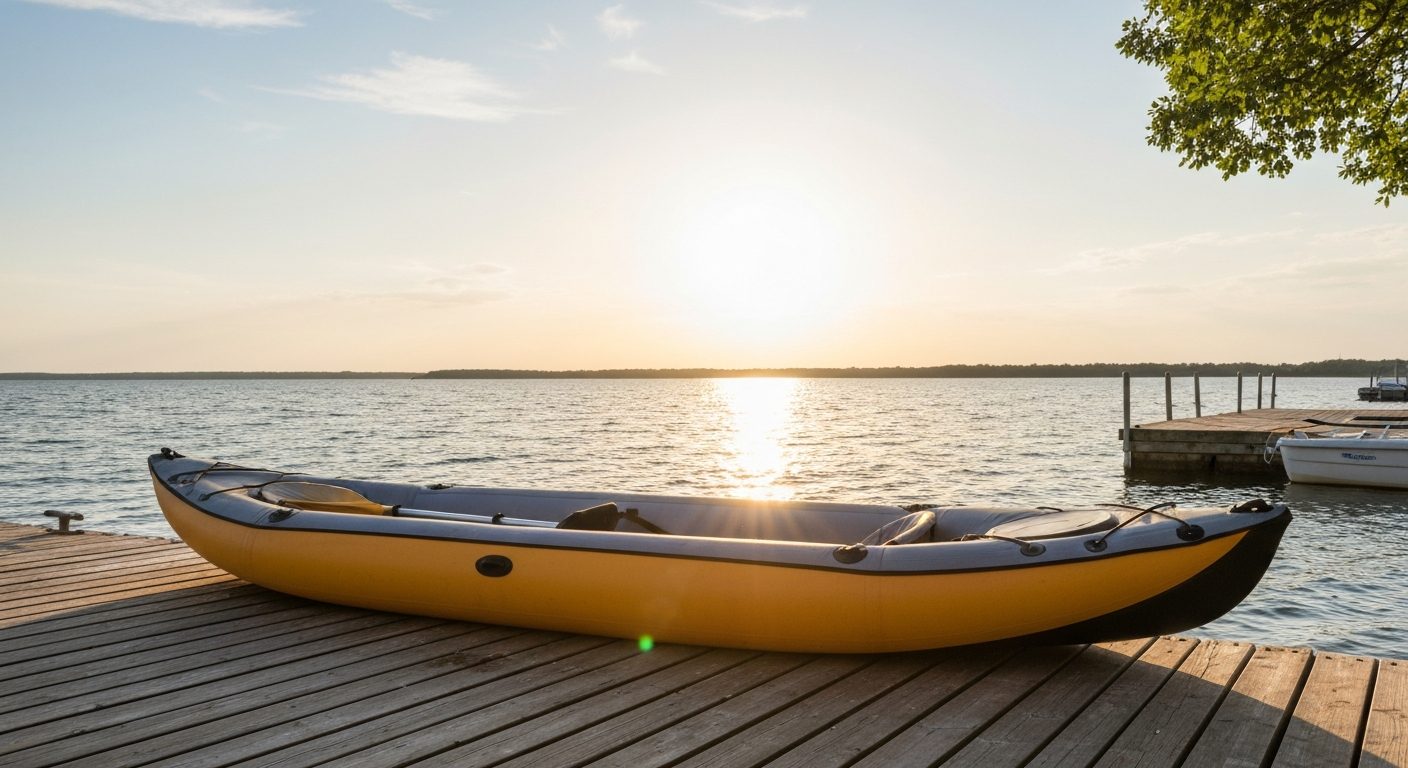
- UV exposure: Prolonged sun is the number-one silent killer. Ultraviolet light breaks down PVC and vinyl at the molecular level, making it stiff, cracked, and prone to seam failure. Kayaks left inflated on a dock or in a sunny garage degrade years faster than ones stored in a bag.
- Mildew and moisture: Rolling up a damp kayak and storing it in a bag is a recipe for mildew. Mildew doesn’t just smell — it degrades fabric and can compromise the inner bladder lining over time. Always dry fully before storage.
- Abrasion: Rocky launches, dragging across gravel, or scraping against barnacles wear through the outer fabric. Most quality kayaks have reinforced bottoms, but repeated abuse on rough surfaces adds up. Launch from sandy banks when you can.
- Heat: Storing an inflated kayak in a hot car or leaving it in direct sun for hours over-pressurizes the chambers and stresses seams. Always release a little air before leaving a kayak in the heat.
- Improper folding: Folding on the same crease every time creates stress fractures. Alternate your fold points when packing it up.
How to make yours last longer
The good news: the steps that extend an inflatable kayak’s life are simple and take less than 15 minutes after a paddle.
- Rinse after every use. Salt, sand, and grit are abrasive and corrosive. Fresh water rinse every single time — even after a lake session.
- Dry completely before storage. Lay it out in the shade (not direct sun) and let it air dry. Both sides. Don’t rush it.
- Store loosely rolled in a cool, dry place. A garage shelf or closet works. Avoid attics (too hot) and damp basements. Don’t leave it compressed in a stuff sack for months — that stresses the material.
- Patch small leaks immediately. Every quality inflatable comes with a repair kit. A pinhole leak patched today stays a pinhole leak. Left alone, water infiltrates the fabric layers and the fix gets harder.
- Use a UV protectant. 303 Aerospace Protectant is our go-to for PVC and Hypalon. Apply it a few times per season if your kayak sees a lot of sun.
- Check valve o-rings annually. Valves are the most common slow-leak culprit. A tiny drop of valve oil keeps them sealing clean.
For more gear care practices, see our kayak accessories guide — we cover pumps, repair kits, and storage solutions that make maintenance easier.
When it's time to replace it
Sometimes a kayak has run its course. Here’s how to know:
- Seam failures you can’t patch: Individual punctures are patchable. Seams that are delaminating along their full length usually aren’t — the bonding surface is gone.
- Material that won’t hold pressure: If you’re inflating to spec and the kayak loses significant pressure within 30 minutes (without obvious punctures), the inner bladder or the fabric itself may be compromised.
- Brittleness or cracking: PVC that’s UV-damaged becomes stiff and cracks when flexed. If the material cracks at fold points or crinkles like a potato chip bag, it’s past its service life.
- Structural deformation: Drop-stitch floors that no longer inflate flat, or sidewalls that bow unevenly, suggest internal thread failure. This affects stability and isn’t repairable.
If your kayak is showing these signs, it’s worth reading our honest take on whether inflatable kayaks are worth it before you replace with the same tier — it might be time to step up to a better material class.
For reference on industry standards around paddlecraft care and safety, the American Canoe Association publishes guidelines that apply to inflatable craft as well as hardshells.